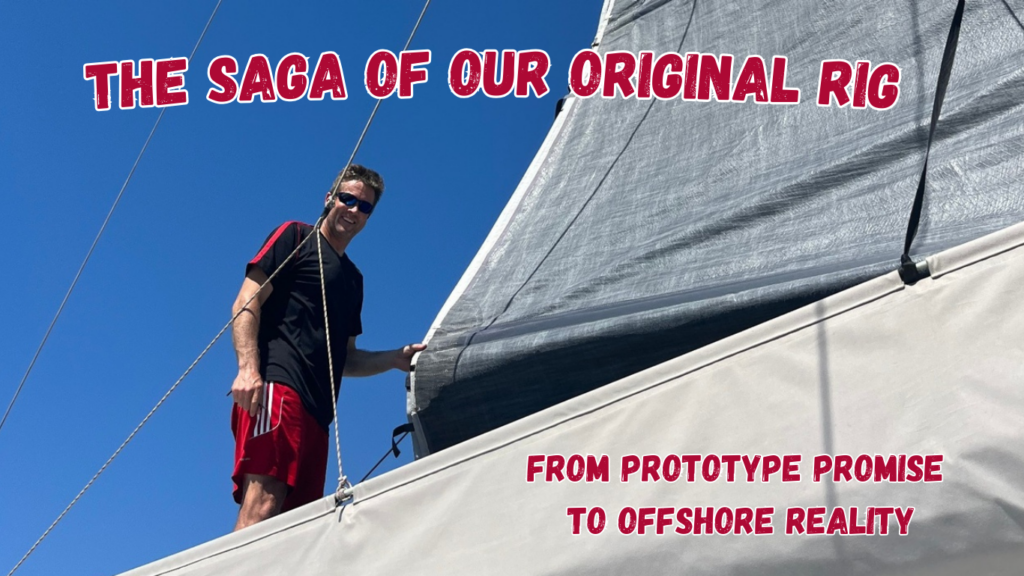
When the Rig Doesn’t Live Up to Its Promise
Right up front — the AWS rig that came with our boat was not a Vision Yachts product. As far as we know, Vision is no longer associated with Advanced Wing Systems (AWS), and AWS itself seems to have stepped away from cruising catamaran rigs altogether. All mention of this product has since disappeared from the AWS website.
How We Ended Up with Prototype Rigging
To be fair we did not know it was still a still a prototype and had not nor would be fully tested for real time sailing. Good “salesmanship” (omission of relevant facts?) led us a bit astray. We purchased our boat from a European broker who had invested in several experimental systems. His plan was to showcase the boat at Mediterranean boat shows, then sell it a year later.
The two big innovations onboard were:
- Oceanvolt electric motors, and
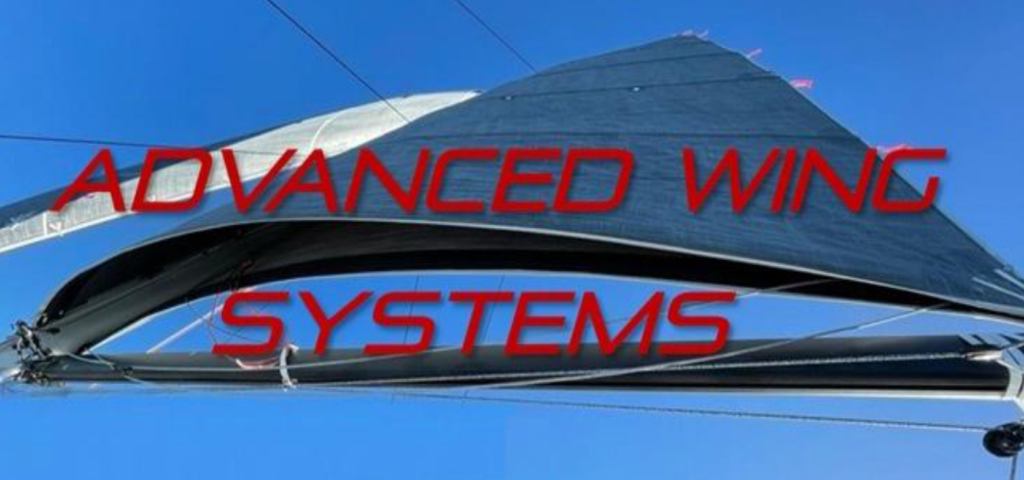
- A prototype Advanced Wing System (AWS) Semi-Rigid Wing (SRW) Rig.
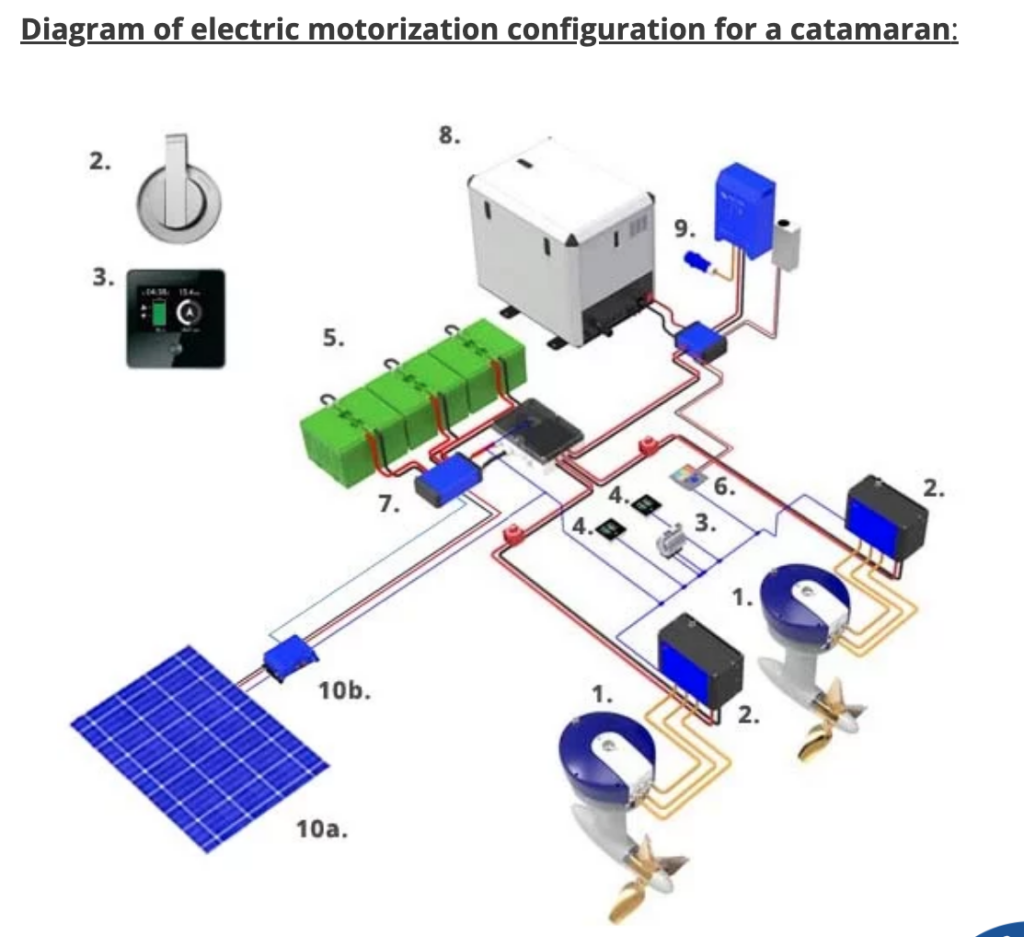
At the time, we were excited about a hybrid electric motor system (we later changed our minds, post coming soon). Plus, the boat fit our budget and timeline. We weren’t fully sold on the rig, but after talking with the AWS engineers, it sounded promising.
No one mentioned this rig is the very first of its kind on a cruising catamaran and it hadn’t gone through rigorous testing — and we didn’t think to ask. We knew it was a gamble that might require replacement down the road, but we took the leap.
Then came COVID — social distancing, logistics and parts availability issues, and a brand-new company, Vision, finding its rhythm and trying to roll out its first hulls.
Our first red flag came when the “instruction manual” hit our inbox: A 43 page PDF of typos, mostly written for monohulls. Not great, but engineers aren’t writers and we talked through all of this with the team as they were installing it on the boat, so we pushed ahead. What’s even sadder… I offered to help clean up the manual for them and make it readable since I had a lot of experience in that arena. Glad I didn’t waste too much time.
We did build an extra clause into our purchase contract allowing us to back out if the rig didn’t perform on its shake out sails, the sail to Europe or we had concerns upon sailing it. We tracked the build and commissioning — which we found out after the fact was very rushed to meet an already closing weather window to move the boat to Spain — and waited for updates. The broker’s reports were all positive, but we later learned the delivery crew had a very different experience. It was apparently a very rough sail not only with respect to weather, but with the motors and rig problems. They never returned our calls, and rumors suggested they’d signed NDAs. Let’s just say the broker’s version was… spun a little in his favor.

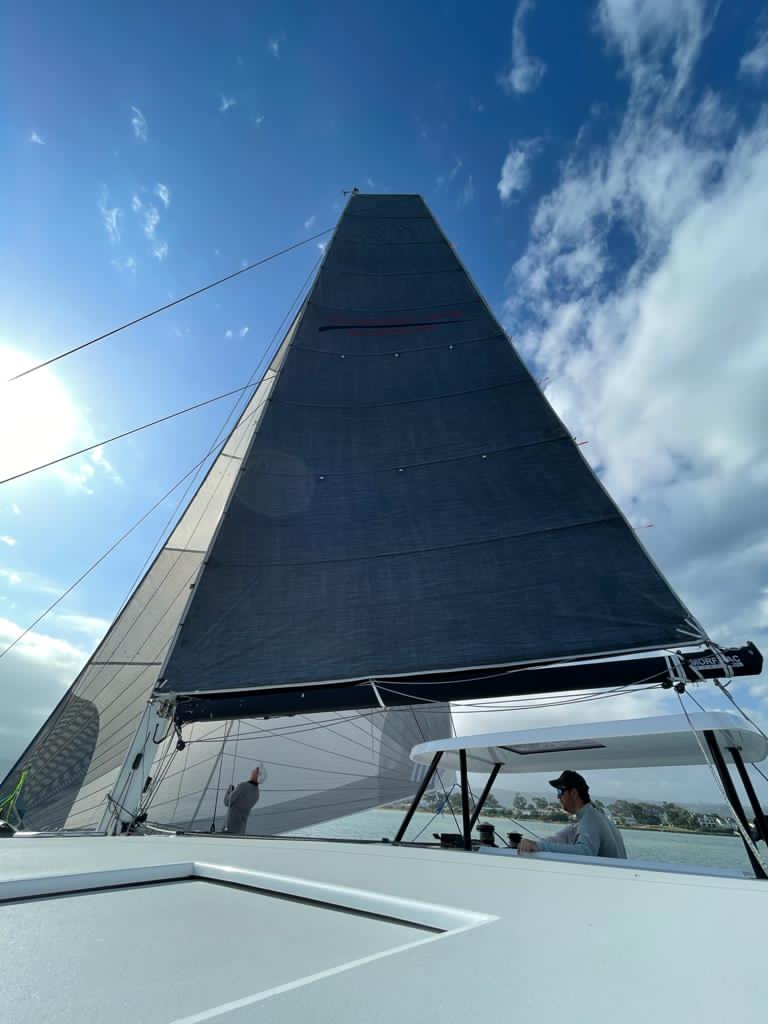
What Is the Advanced Wing System (AWS) Semi-Rigid Wing?
The AWS Semi-Rigid Wing was built to replace a traditional soft mainsail with an aerodynamically shaped, semi-rigid wing. It is, in theory, supposed to replace the standard floppy mainsail with a rotating mast and two flat sail skins held apart by stiff battens to form a true wing shape. We, as aviators, completely understood this concept. Instead of relying on sailcloth stretch and constant trimming to create power, the shape of the sail is built into the structure itself. Rotating the mast changes the wing’s thickness and power, while easing rotation instantly softens and depowers the rig. The result is a sail that holds its shape, responds smoothly to changes, and can sit quietly head-to-wind when needed—something that feels noticeably calmer and more controlled on a cruising boat.
Compared to a conventional mainsail on a fixed mast, the AWS rig shifts the workload away from endless fine-tuning and toward simpler, more deliberate control. A traditional rig depends on halyards, vang, traveler, and sheet adjustments to fight sail distortion as conditions change. With the AWS system, the sail shape stays consistent and predictable, and power is adjusted primarily through mast rotation. When the breeze builds or things feel off, releasing rotation quickly takes the edge off and lets the wing align with the wind. For cruising sailors—especially those sailing shorthanded—this translates to fewer urgent adjustments, easier depowering, and a rig that feels more forgiving when conditions aren’t perfect.
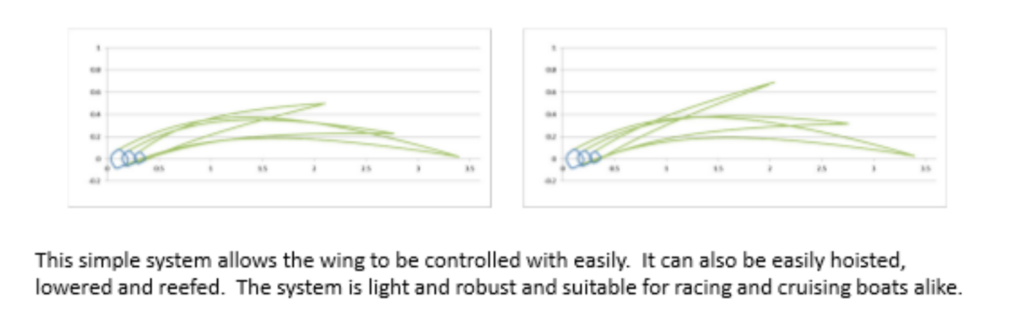
The simplified concept:
- Combine the efficiency of an airplane wing with the practicality of a cruising rig.
- Use a carbon/composite rotating mast to shape two lightweight sail membranes into an efficient airfoil.
- Control power by rotating the mast rather than trimming sails.
In theory, this system would deliver higher performance with less effort, allowing smoother sailing and easier handling in strong wind. When the mast was released, the wing would “power down,” weather-vaning quietly into the wind — a clever safety feature for cruisers with this high-performance rig.
That was the idea, anyway.

When the Plan Started Going Sideways
Our contract called for delivery to the Caribbean or Florida. But when COVID canceled the boat shows, the broker’s plans changed. The rig was reportedly pulled down, inspected, and adjusted — we were told “no major issues.” In reality, many things had already failed or been reworked.
The boat then sat in Valencia, Spain for nine months. When the broker and AWS team returned to prep it for the Atlantic crossing in January, both the motors and generator were having problems. Bonus those that delivered the boat…clearly threw the keys on the counter and bolted… nothing was put away properly.
The motors were both were eventually replaced with new ones, but the process took too long and they were going to miss the February weather window to cross. We still do not know the true nature that caused the replacements, but we did learn later that these problems were likely known and reported by the delivery crew.
After a lot of back-and-forth, we amended the contract (clearly not enough). We would fly to Valencia, take delivery ourselves, learn the systems, and prep for the crossing.
It was a huge shift — only five months to plan an overseas move, get Spanish visas, and wrap up Erin’s Navy retirement (which is a full-time battle in itself). We made it happen – from a 17-foot travel trailer while on a road trip after ending our lease. The road trip was fun. The major life changes all at once? Not so much.
Learning by Trial and Error
We arrived in Spain having read a relatively good survey report on the vessel, in early May expecting a full 3-4 day handover with both the broker and AWS engineers.
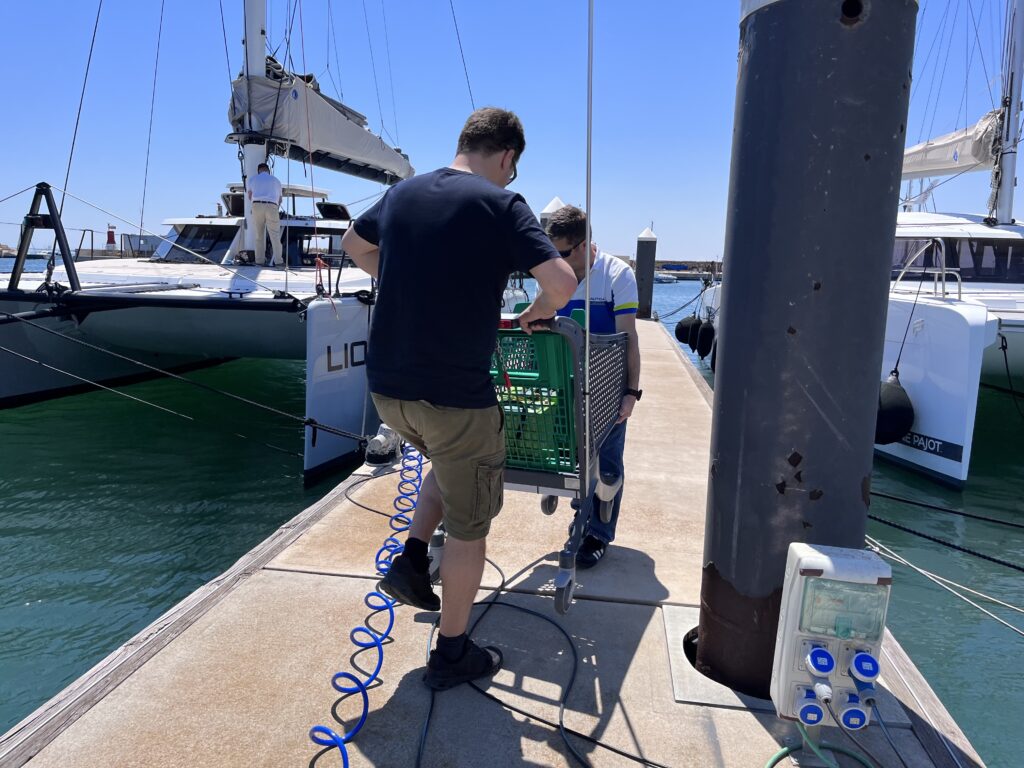
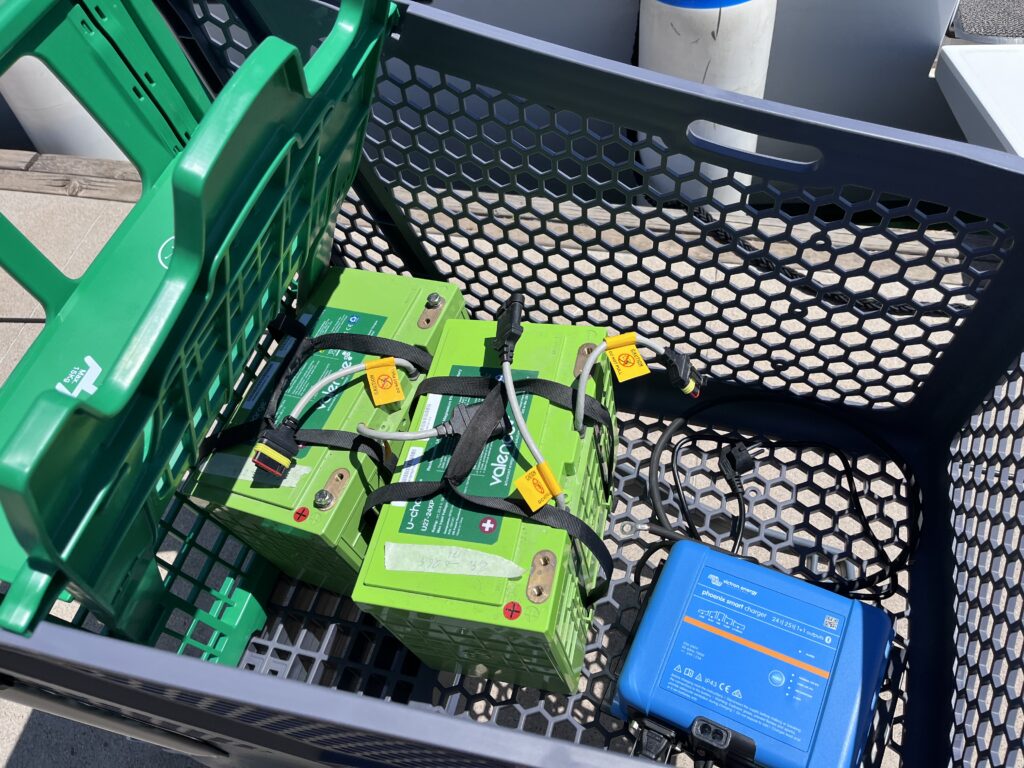
Days before our flight, the broker called: all sixteen batteries were dead — shore power had been left unplugged. Per the Marine electrician working the generator issues, each battery needed to be charged one-by-one using a single Victron charger for safety reason, taking eight to ten hours each. Looking back our BMS is capable of recharging all the batteries and that would have actually been better for the overall system. You don’t know what you don’t know!
So, we arrived to a powerless boat. Thankfully, we’d rented an Airbnb for the first two weeks to ease into the transition of live aboard life — one of our best decisions. The 12 mile round trip bike ride was surprisingly easy thanks to Spain’s bike lanes!
The boat itself was beautiful and overall was what we were expecting, but clearly not ready to sail. It looked like the crew had dropped the keys and left. For a little perspective, nothing was covered with it’s protective covers, two cockpit cushions were missing, two extras from another boat had appeared (did they have a pillow fight prior to leaving Knysna?), and Spain’s infamous tiger mosquitos were breeding in our bilges. It’d be a few very itchy weeks before we figure that gem out.
We had only three or four days with the broker and engineers. During that time, we rotated batteries, talked through the systems and rigging, and practiced raising and lowering the sails at the dock. It was complicated, and a few small things were still broken.
One the final day with the team, we got the power on and were able to test everything on the boat. Most checks were good. Unfortunately, the 22 kW generator was only producing 8 kilowatts — not enough for safe blue water cruising. The local marine electrician was already on the case.
We finalized the sale feeling comfortable with the path forward. The AWS team promised to return for hands-on training, leaving us six months to figure everything out and get comfortable. Plenty of time right? RIGHT? This is where we SHOULD have paused and invoked a clause in our contract where we had to sail the boat before finalizing it!
Two weeks later, we began sailing. And the AWS designer eventually joined us for a day sail, but after that it was pure trial and error.
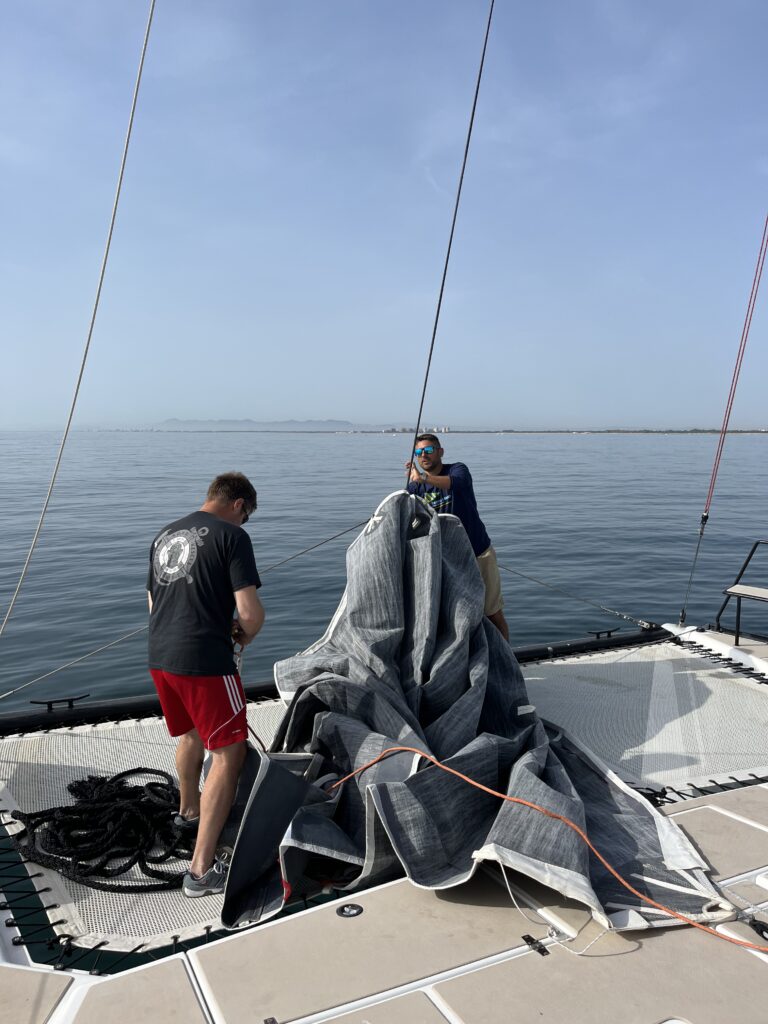
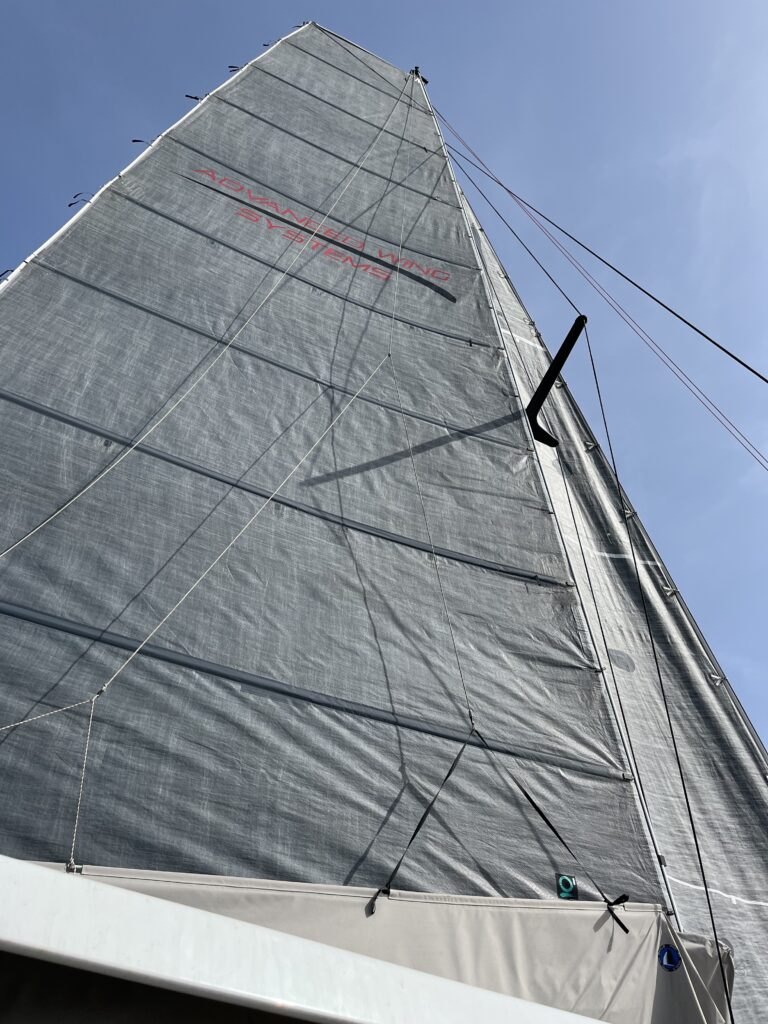
Huge Lesson Learned – First, we should have sent Kevin, who was retired at the time to South Africa, how ever expensive and logistical tough it was for the commissioning. Second, upon rereading our contract a year or so after the debacle when we had clearer heads, we probably had some leverage against the dealer before accepting the boat. When it came to inspection and test sails, we were a bit overwhelmed at the time not sure how we could stop the boulder from rolling down hill. Regarless, it still would have be a David vs Goliath when money was concerned for a proper contract and legal battle. Hindsight…always 20/20!
When Innovation Meets Reality
When it worked, the rig was impressive — especially on a beam reach or higher. And even more amazingly, we could point up to 30° AWA to wind with minimal slippage, almost unheard of for a catamaran.
At first, the AWS rig felt like the future — sleek, efficient, and unlike anything else on the water. But the deeper we got into real-world cruising, the more the cracks began to show. What looked refined on paper quickly turned into a full-time project.
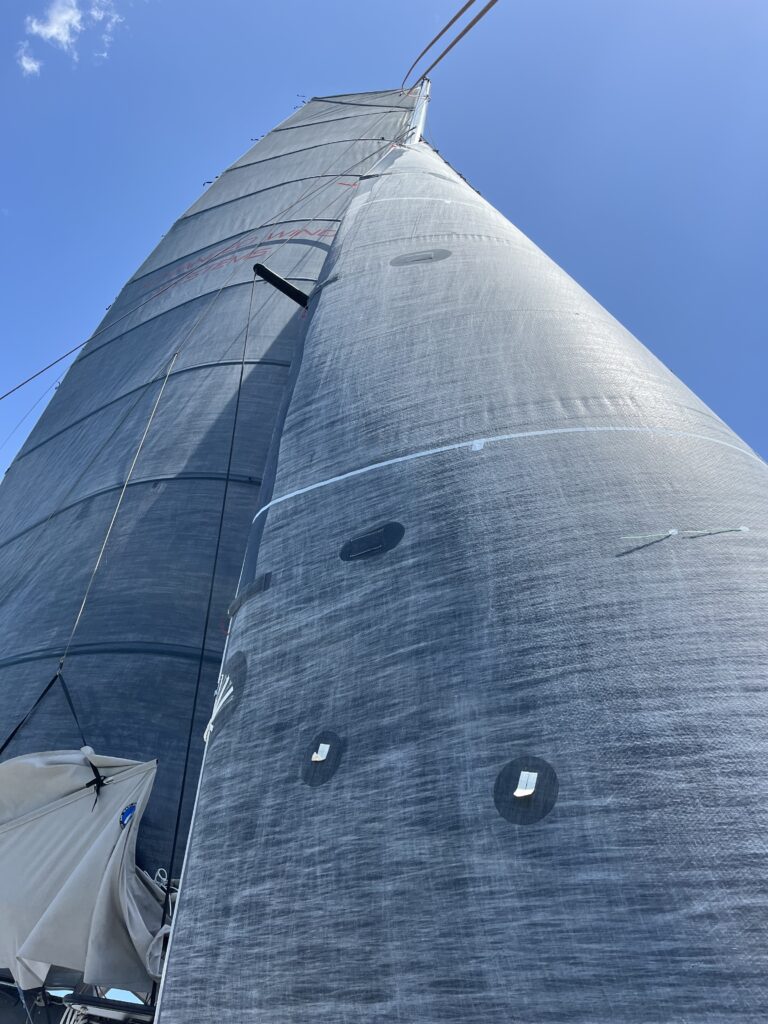
Here is what it looked like in reality:
• Constant maintenance: We were basically becoming professional riggers onboard just to keep up with the steady stream of issues. Everything felt a bit jerry-rigged, more experimental than refined.
• Complex and risky reefing: Reefing could take three or four people — sometimes two just to muscle the sail up or down and another on the platform to pull the cars down. It was not only complicated but dangerous in heavier seas and higher winds, you know when it’s time to reef! We later came to find out the way it was rigged led any reef to become permanent. The reefing line was routed through the middle of the two mainsail membranes and battens, so when the reef line was tight everything below the reef would snap. No more working battens.
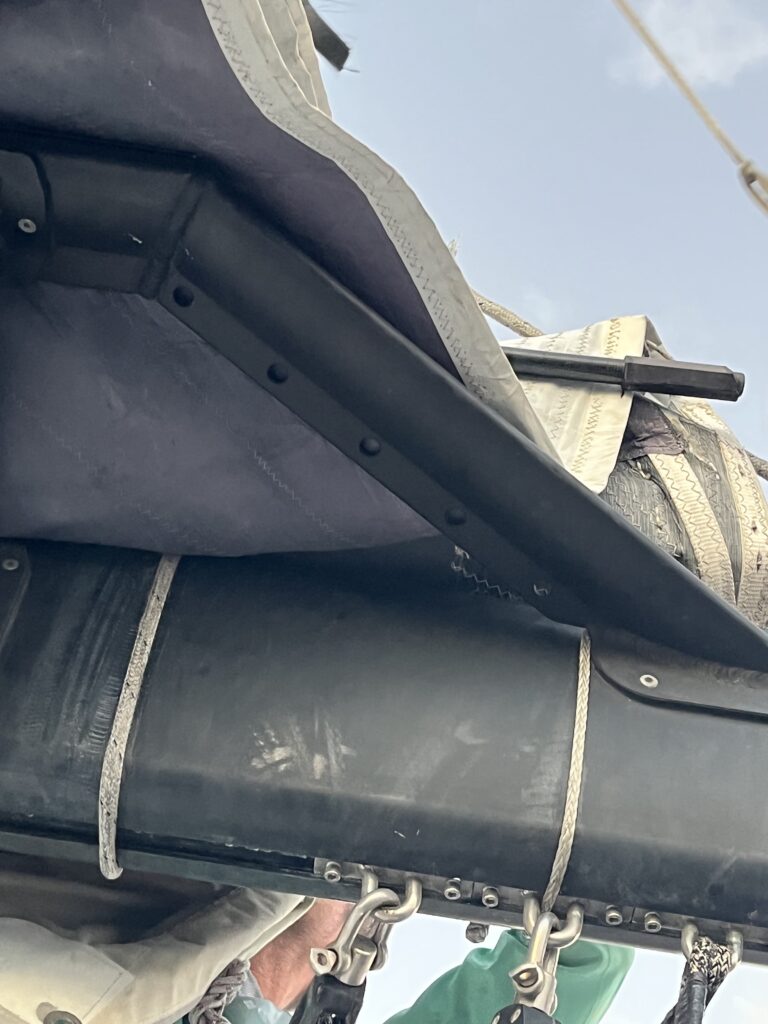
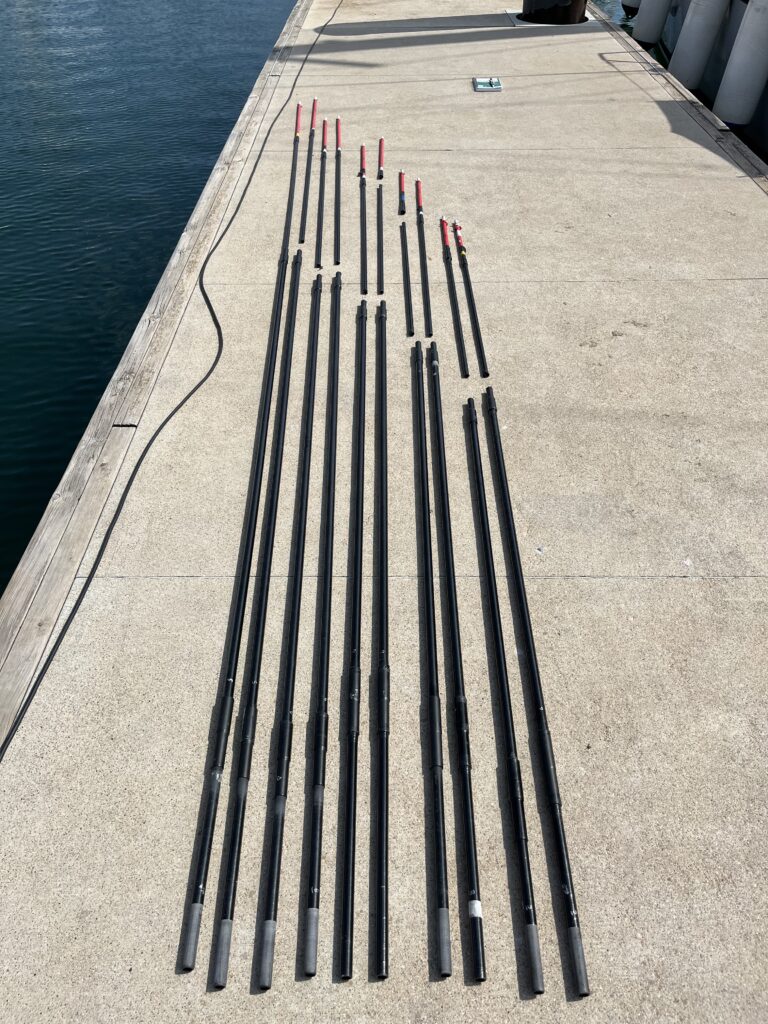
• Prototype-level design: The system was clearly not tested or perfected for everyday cruising. There was little to no documentation, no reliable polars, and an owner’s manual that still referenced monohulls and was filled with misspellings.
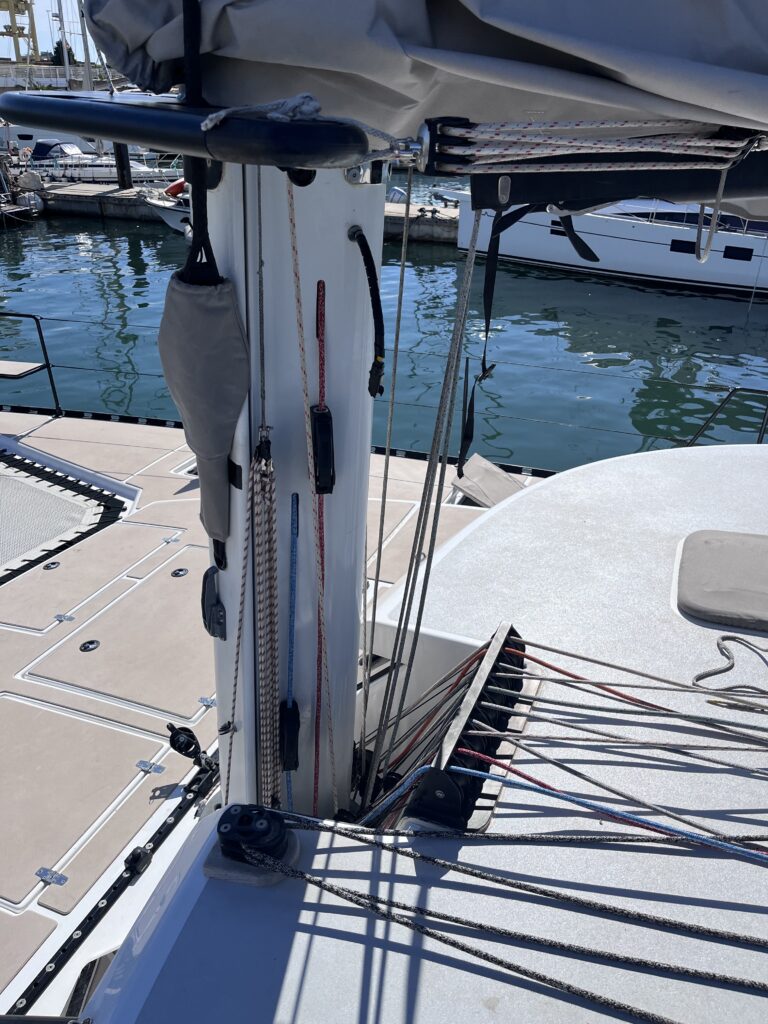
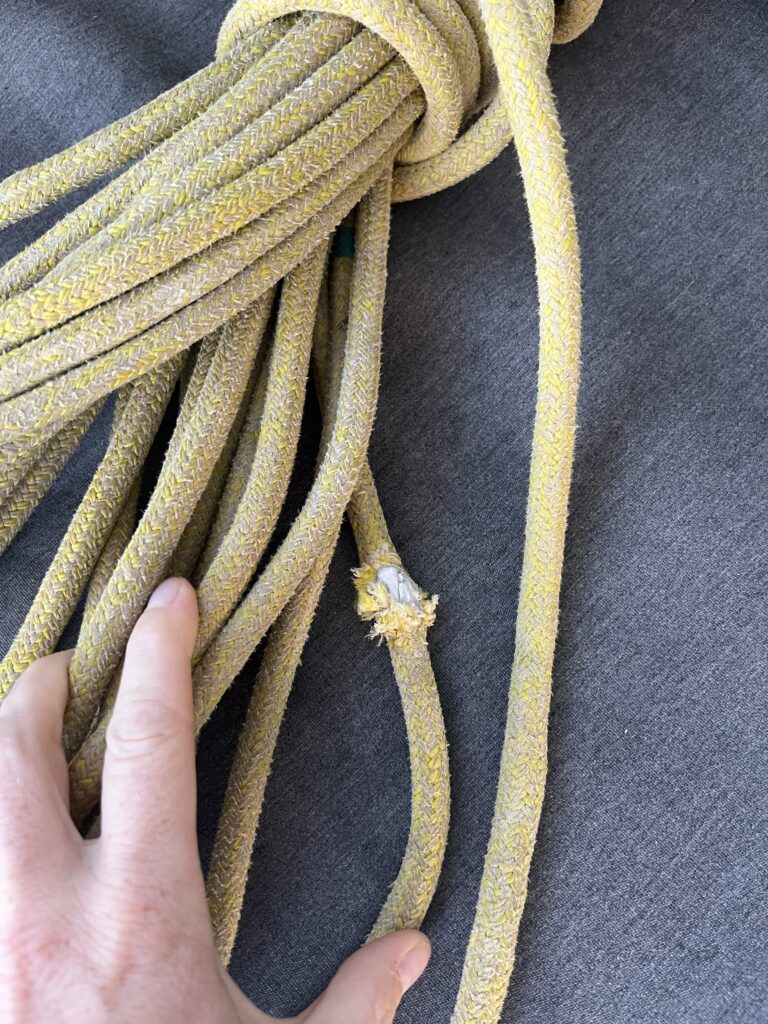
• Too many moving parts: Line organization was poor, leading to rubbing, chafing, and twisted lines. Extra sheet blocks clanged and squeaked, and every sail change felt like a small engineering project.
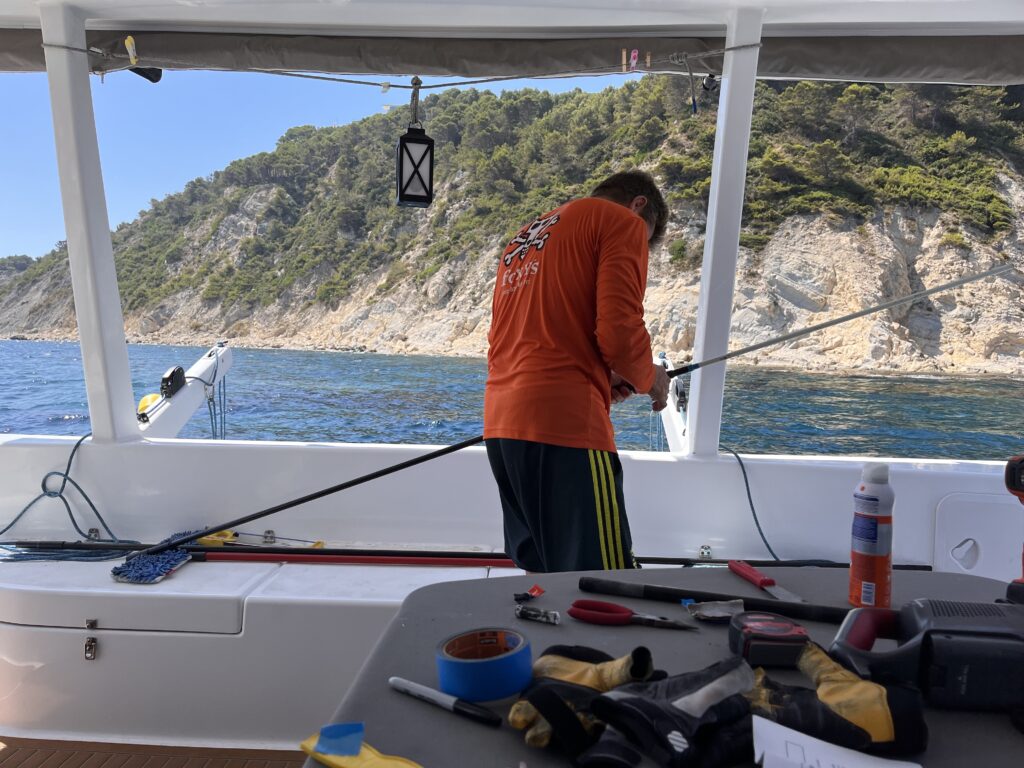
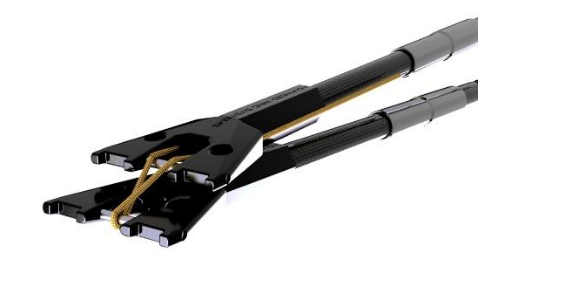
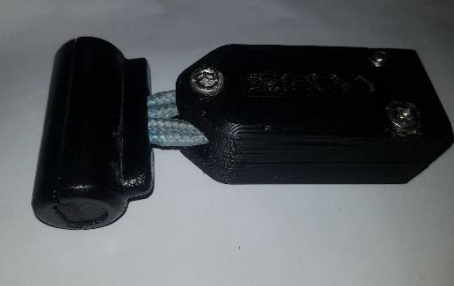
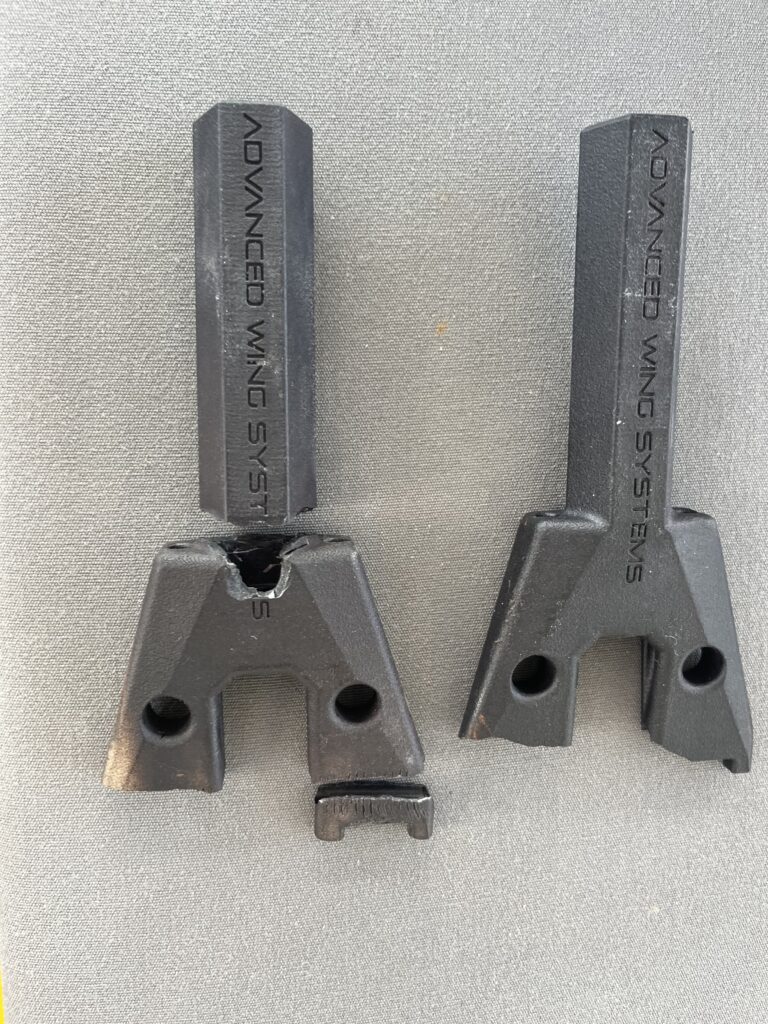
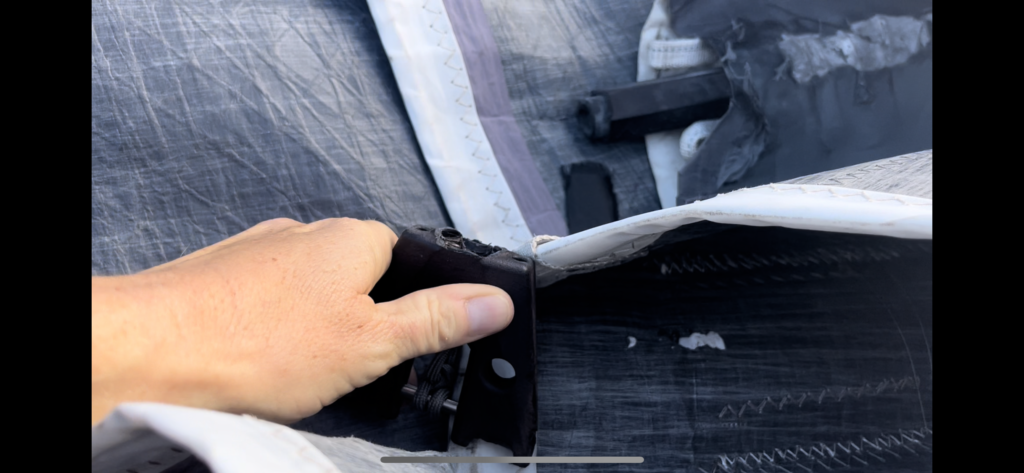
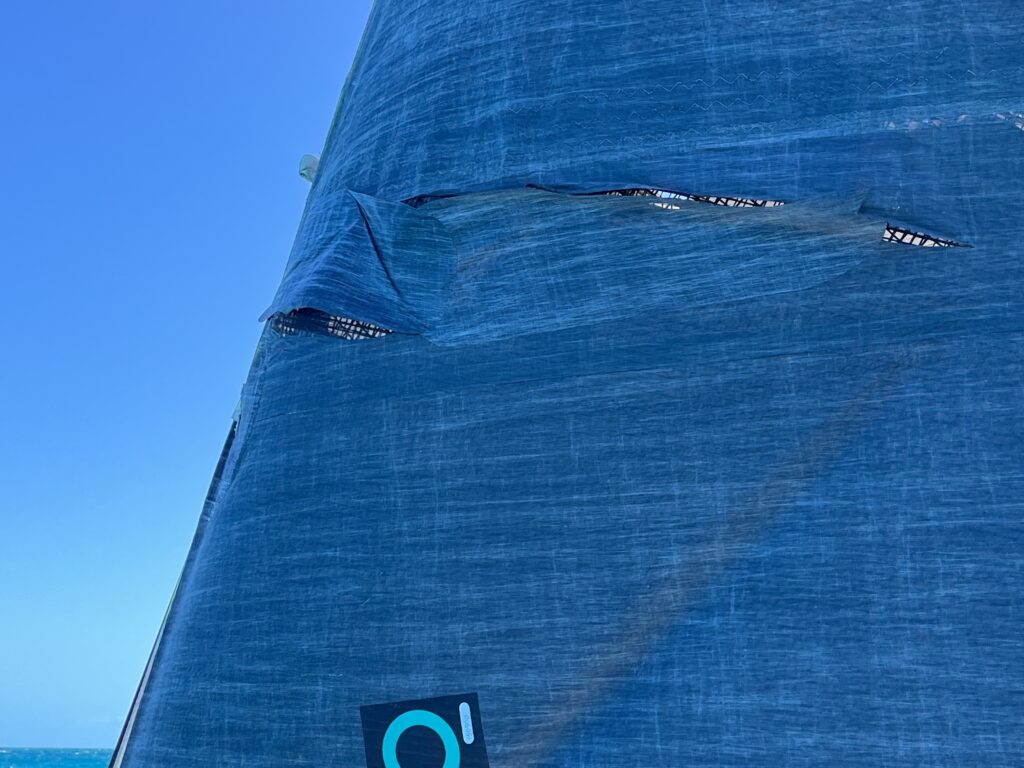
• Fragile components: Whale tails disintegrated on the ends, snapped in the middle, or popped off completely. Screws worked themselves loose. Sails deteriorated fast. Even the radar and wind instruments were useless due to mast rotation. We didn’t even have the required steaming light.
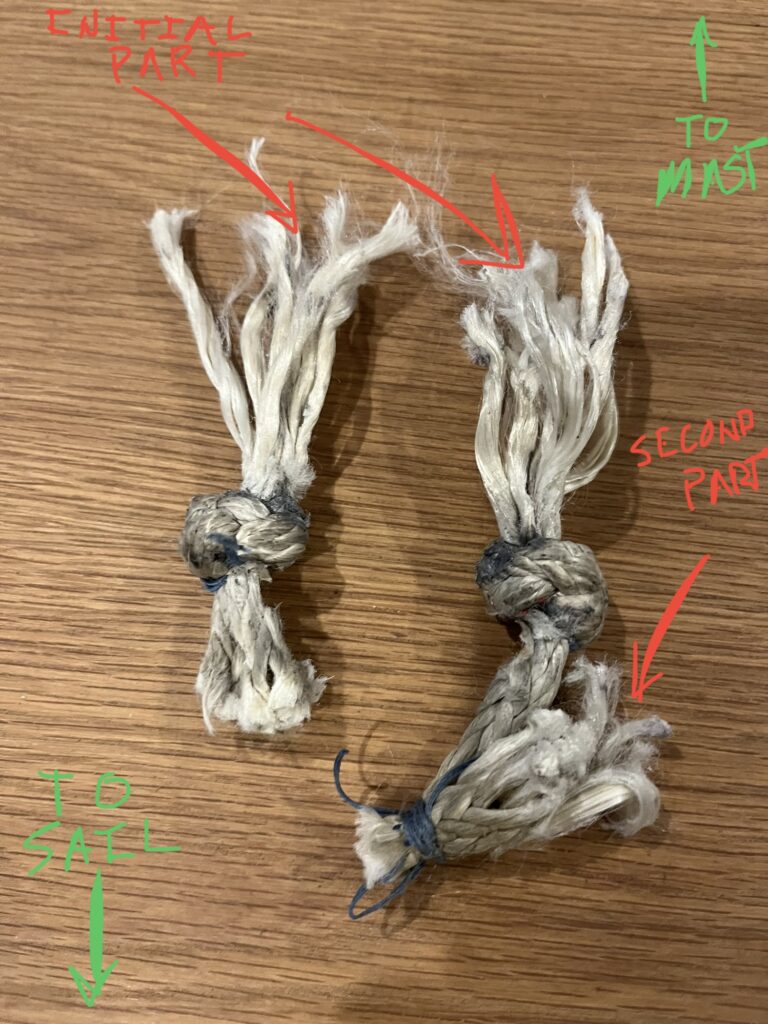
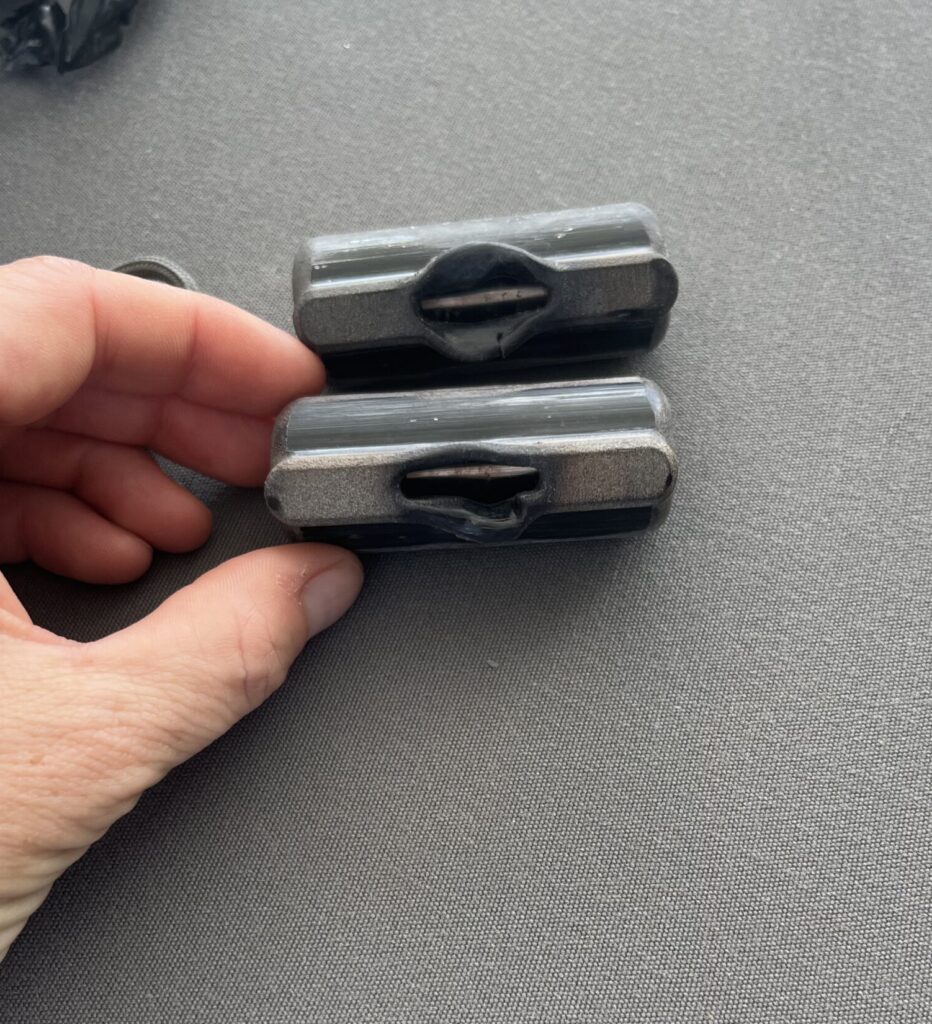
inside the mast

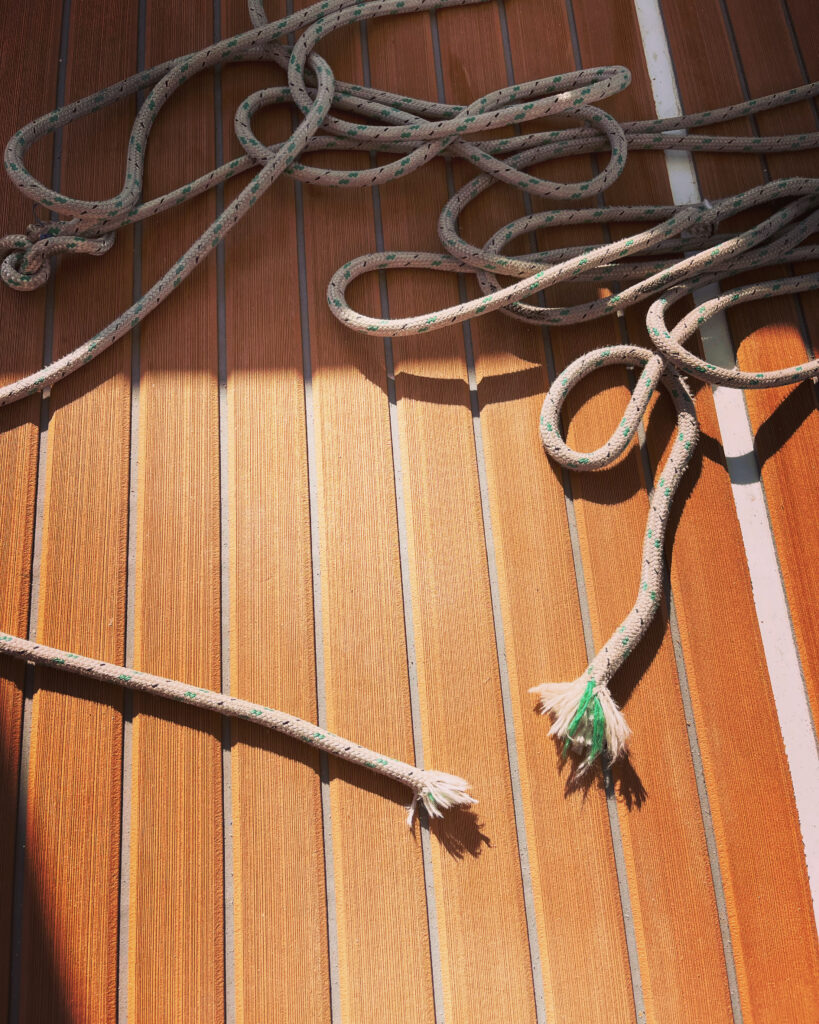
• Offshore headaches: We had to go up the mast multiple times offshore — once in 2–3 meter seas — to fix failures. The halyard broke at one point, leaving us with a serious safety issue in the middle of a passage.
• Poor handling balance: The powerful wing sail didn’t compensate for our smaller rudder size. In an 18-knot quartering tailwind, we simply couldn’t steer the boat properly. Additionally, you could not put the sails out far enough for more downwind sailing with risking more broken battens due to the sail shape becoming very wide and pressing against the shrouds.
• Fragile sails: The sails were designed for racing and made of lightweight fragile fabrics. Essentially they would normally be brought out of storage, raised for the race, then stored between races. They are NOT built for sitting in the sun or folded up on deck (as was our hanked on jib).
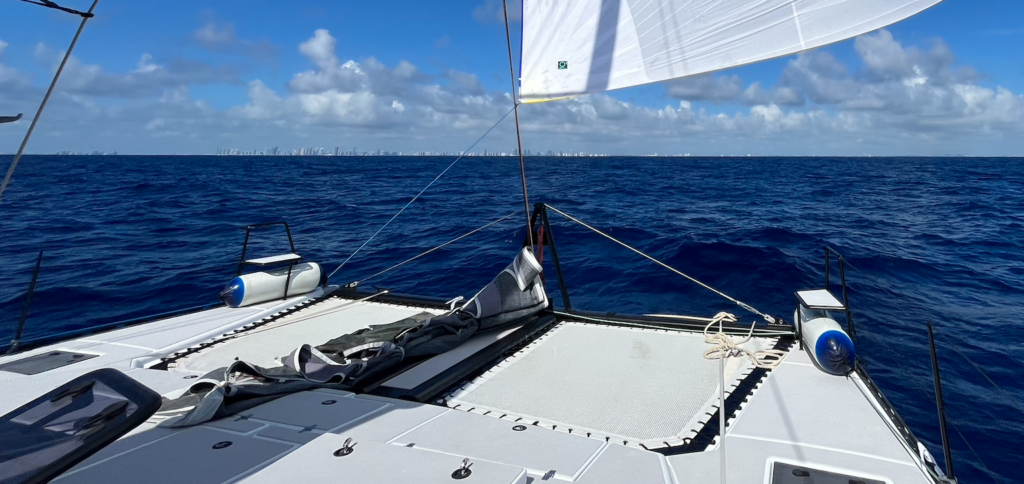
By the end, it felt less like we were sailing a cutting-edge rig and more like we were constantly testing one. The idea was brilliant — the execution, not so much.
The Long, Slow Deterioration
Every passage added a new list of issues — broken battens, twisted lines, chafed halyards, mystery noises, and constant adjustments just to keep the boat moving safely.
By the time our Atlantic crossing window opened, we were comfortable enough to sail with it — we knew its quirks and carried all the spares we believed we’d need— but we were tired of the constant failures. The conversation was quickly shifting from “how do we fix this?” to “what’s our long-term plan?”
The design was more suited for short-term demonstrations and day sailing than the daily grind of cruising life. Constant motion, salt, sun, and shifting conditions exposed weaknesses that just wouldn’t have shown up in calm bay tests or boat show demos. The technology was interesting, but it simply wasn’t ready for the realities of ocean miles.
So once frustration turned into acceptance on our long transit from Valencia to the Canaries we had made the decision to replace the whole thing. We viewed this as not a failure of effort on our part; it was a mismatch between experimental innovation and full-time cruising.
We immediately started talks with Vision and Sparcraft to switch to the standard Vision 444 rig. Basically converting back to the proven, reliable rig — something designed for blue-water sailors. By the time we reached Cape Verde a month later, we’d placed a deposit for a new mast and sails to be shipped to Fort Lauderdale, hopefully by the time we arrived April/May.
That decision, as painful and expensive as it was, ended up being one of the best we’ve ever made. Our Atlantic crossing only confirmed we’d made the right call. We faced unreliable wind and radar (rotating masts and electronics with set algorithms don’t mix), a reefing attempt that shattered every batten below the reef line thereby reducing our sail area for the remainder of the sail and had us question a 3rd reef if need (no it’s not really question, thankfully we didn’t need it), and we ran out of spare parts a little over half way to Antigua. We finished the crossing with partial sails and a lot of creative improvisation.
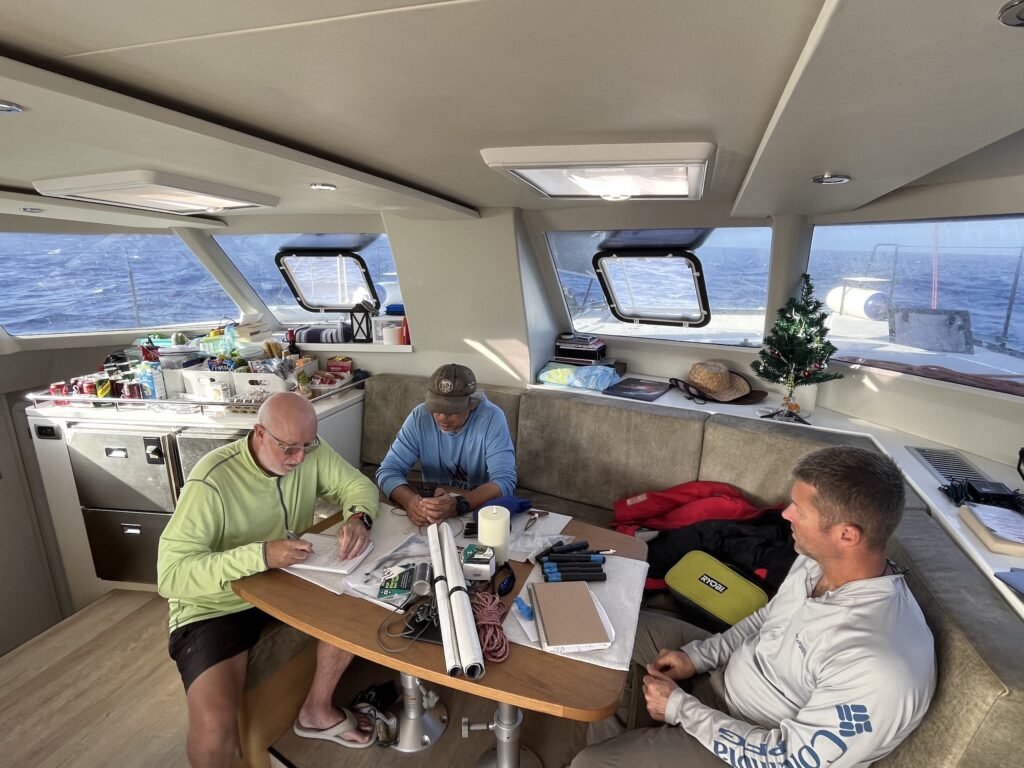
Both our VERY experienced delivery captain friends who joined us for the crossing — initially fascinated by the design — agreed by journey’s end: this rig wasn’t ready for primetime. During our crossing we had lots of “how can we fix this without the proper parts” sessions and practically became riggers!
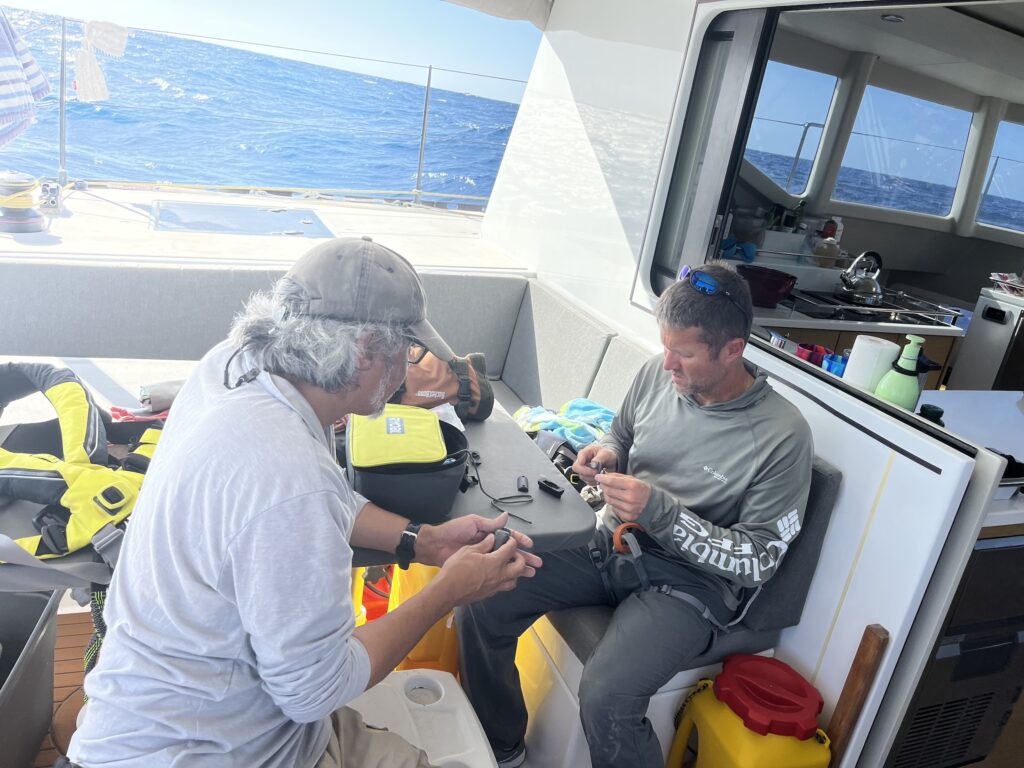
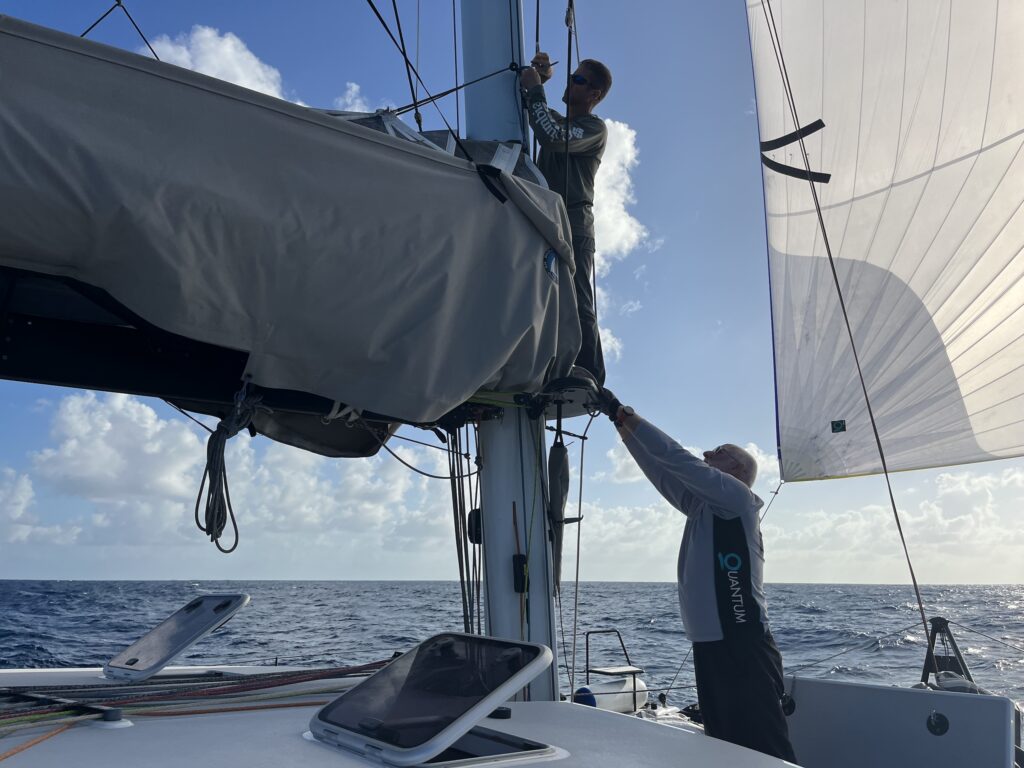
You can read more about our Atlantic Crossing HERE
The Next Big Pivot
By the time we were heading through the Bahamas and approaching Florida in early April, our sails had multiple holes, the rig was barely functioning, and Sparcraft was behind schedule with no confirmed shipping plan.
We had some hard choices to make:
- Wait for the new rig to arrive in Florida and hope for the best as hurricane season quickly approaches?
- Leave the boat and return after hurricane season?
- Or reroute everything north?
To add insult to injury, our motors started acting up around this same time (but that’s a story for the next post!). We ended up stuck in Fort Lauderdale much longer than expected — and the new rig still wasn’t close to arriving.
So, we pivoted. Hard.
We used our scheduled yard time to have the unexpected engine issues worked on and rerouted the rig shipment to Annapolis while heading north out of the hurricane zone. One week turned into another and another and another… We ended up leaving way later than expected (due to the motors), but it was still the smart move we believe. We didn’t feel it was safe to sail up the coast and we still wanted to be close to land in case the motors started acting up again.
So, before leaving South Florida, we also had the AWS rig completely removed. And therefore, opted to cruise up the ICW mast-less — no bridge worries, no sail drama! And honestly, it turned into one of the most fun and unique trips we’ve had; And certainly a trip we likely never would have experienced otherwise. So there was some good to come out of the pain!
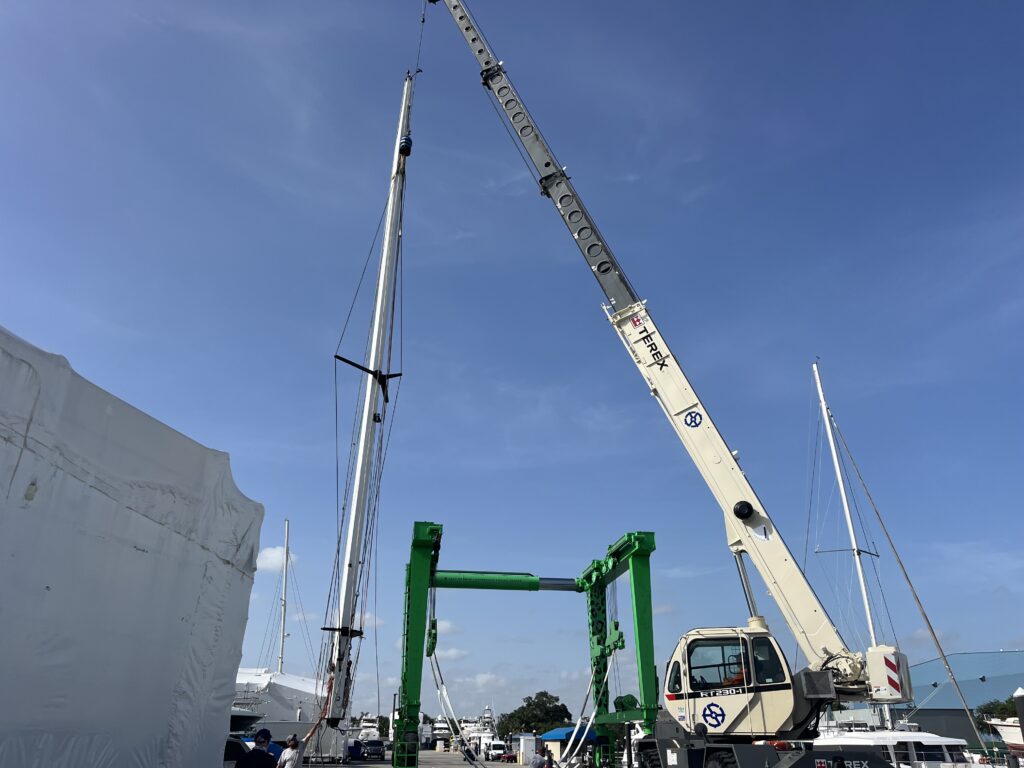

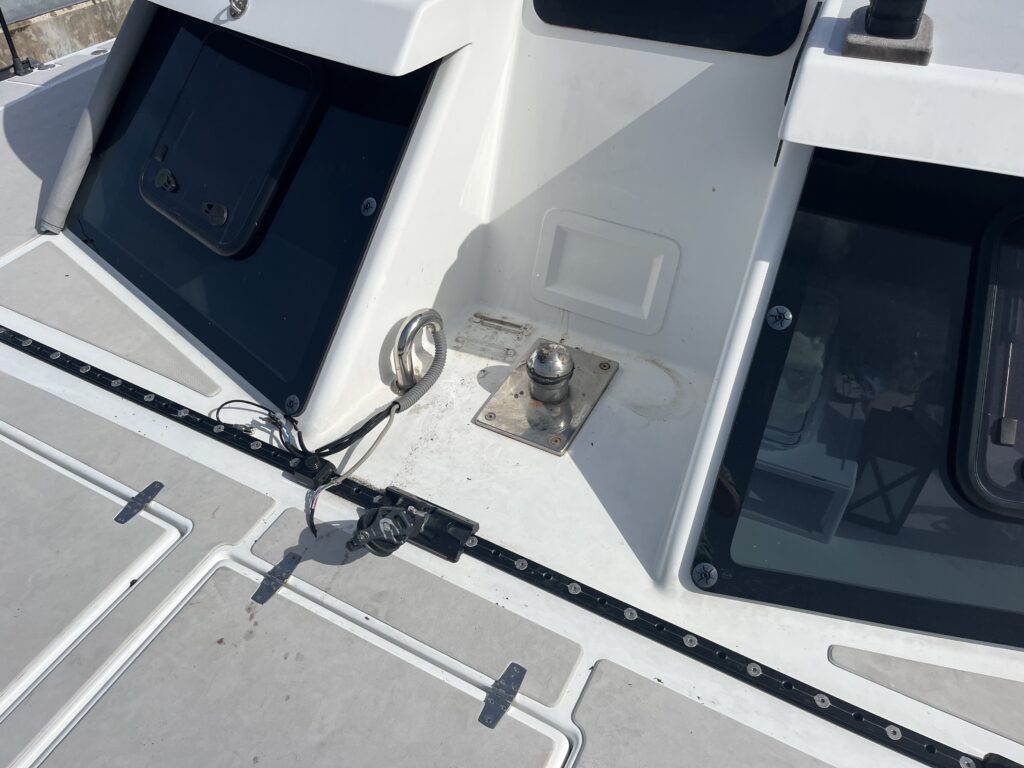
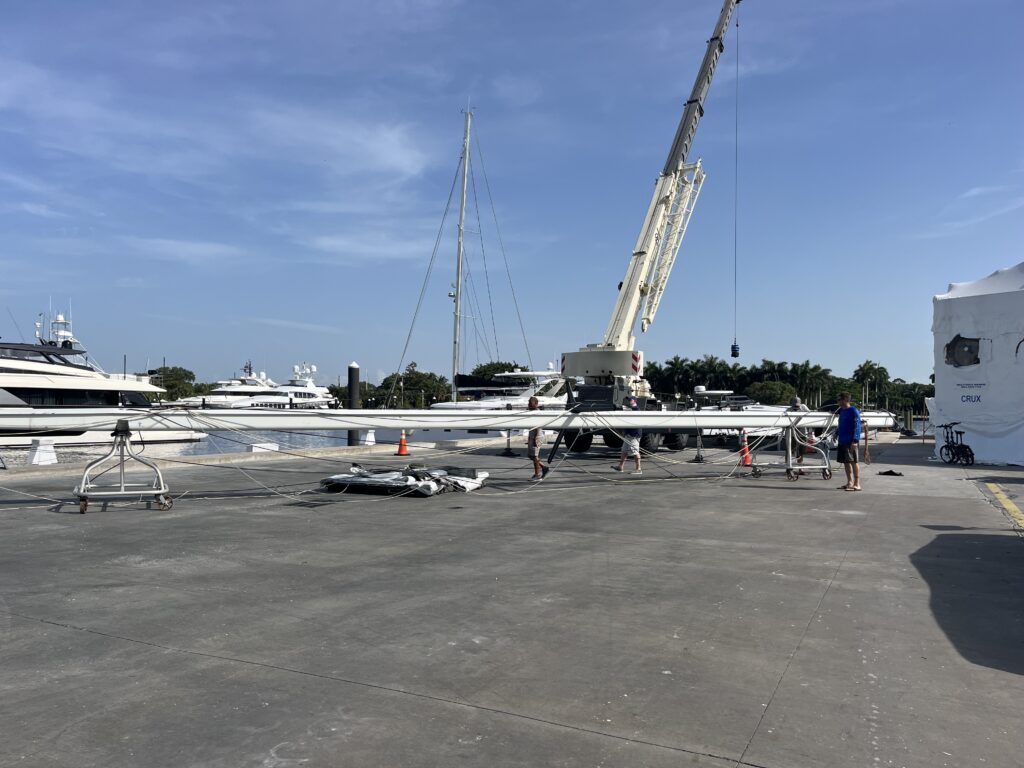
By August, our new Sparcraft rig and sails arrived in Baltimore (From South Africa, possibly through Malta then via New Jersey – who knows. It was like watching it complete an international scavenger hunt).
After a paperwork mix-up about container length that delayed getting it the rest of the way to Annapolis by truck, it finally arrived about 2 weeks after we got there. It was finally coming back together… we had a new rig! (Minus the forgotten mast foot — but progress!)
We had the lovely people at M Yachts put everything together and rig the boat up. Sigh. Of. Relief.
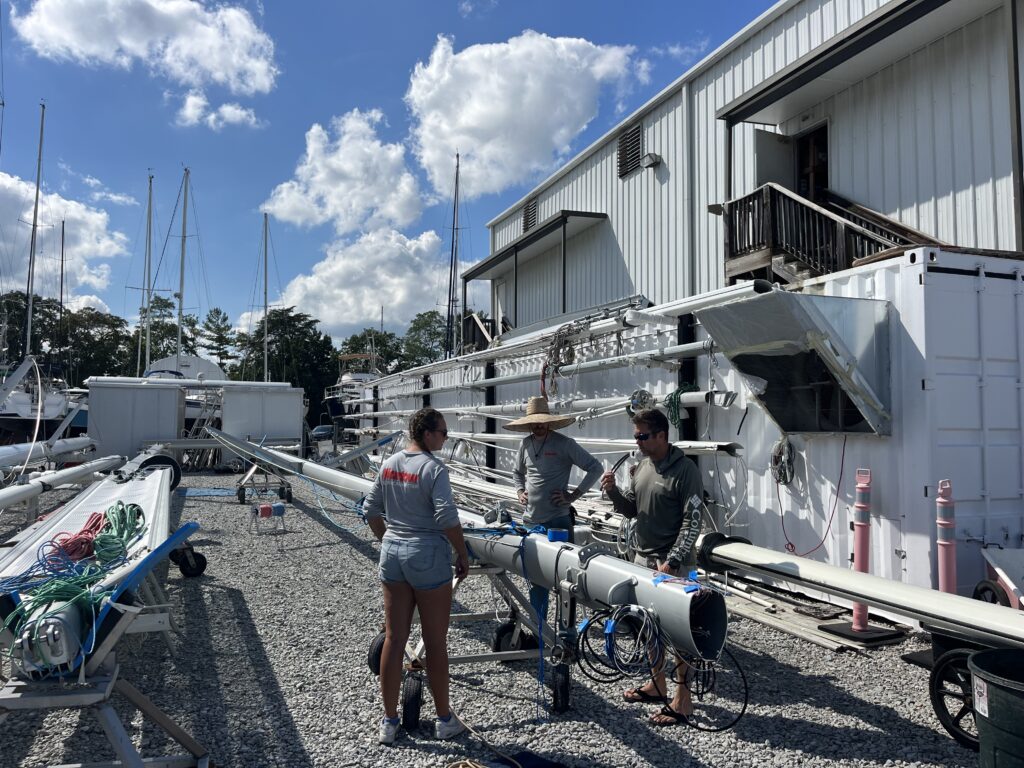
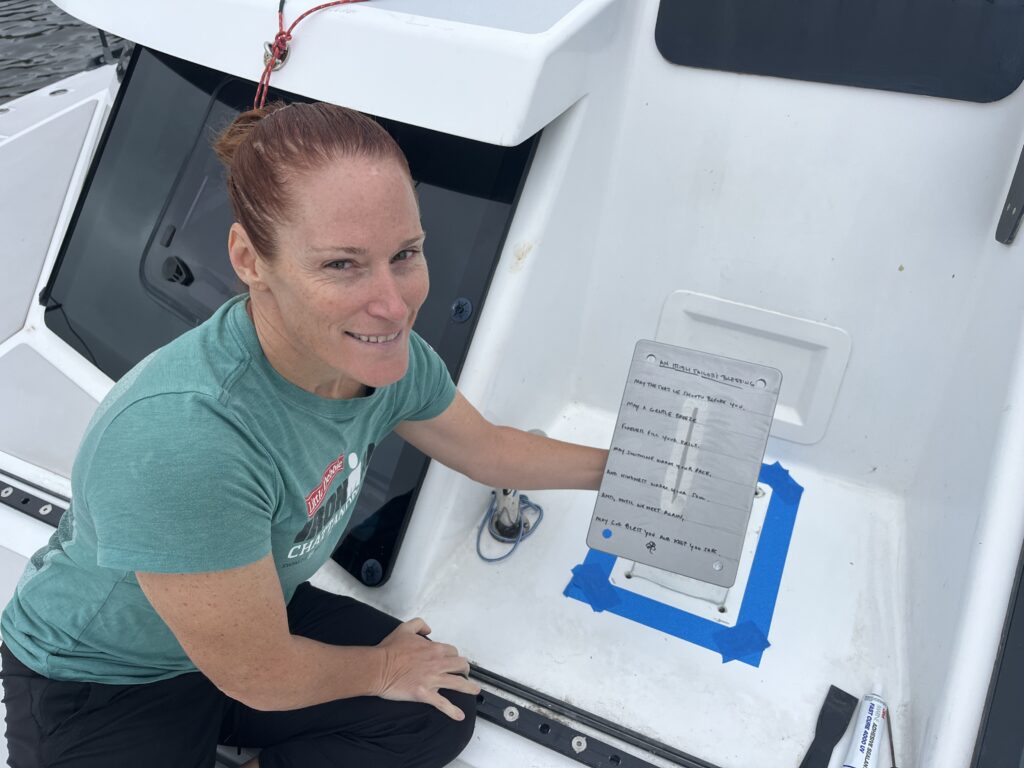
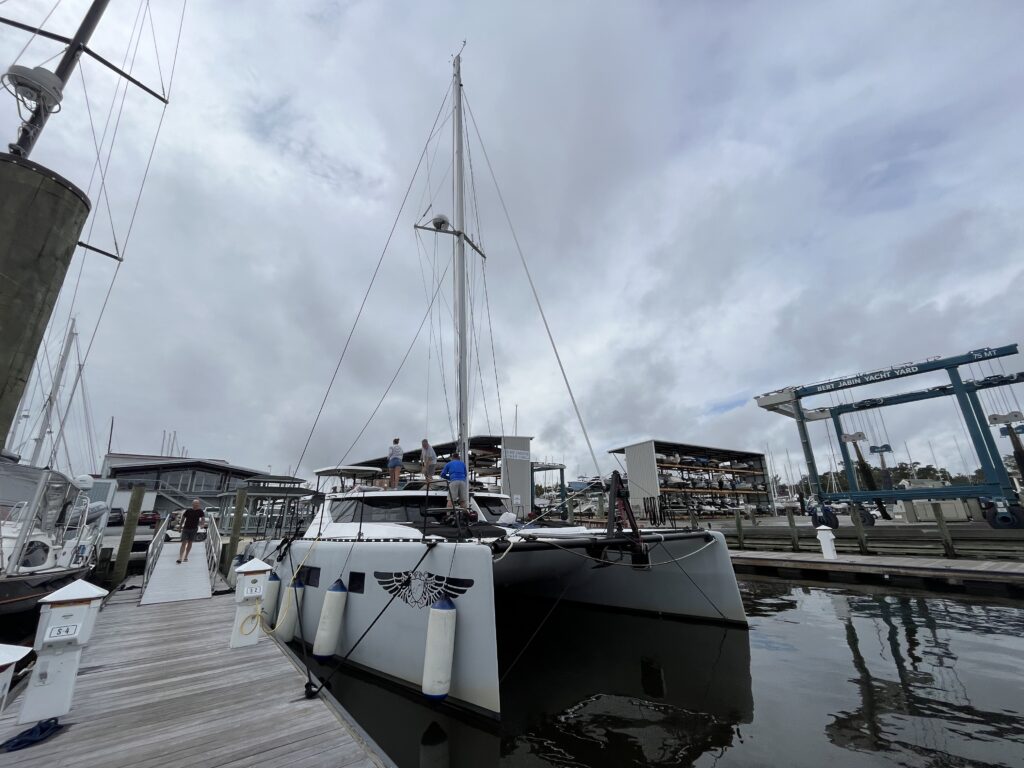
“After all that chaos, seeing a new mast go up felt like hitting the reset button on our entire journey.”
Final Thoughts
This was an expensive lesson in what can happen when innovation outpaces reliability (The Rig) and we, as new boat owners, don’t know what we don’t know (inexperienced in yacht ownership and contracts/options). What should have been a simple adventure turned into a long, stressful learning experience — but that’s boat life…right?
We knew from day one that the rig was a risk. Unfortunately, it didn’t work out in our favor, but our experience (and others’) helped ensure this wasn’t installed on any other Vision444.
Ultimately, after months of troubleshooting, repairs, and crossed fingers, we finally had to admit the obvious — the system just wasn’t built for long-term cruising catamaran life. The concept had promise, but it needed [significantly] more development, more testing, and far less continuous maintenance for any live-aboard crew to be able to manage it easily offshore. It wasn’t about giving up; it was about getting our boat back to something we could actually enjoy sailing, safely and confidently.
We did offer AWS our opinions as users for how they could adjust things. Doubtful they took any of it into consideration. Communications tapered off once we told explained to them why we needed to replace their rig.
Now, with our new Sparcraft rig (the one that comes standard with the Vision 444), the boat sails beautifully and performs exactly as advertised.
The adventure continues — a happy, if costly, ending. Two years later…we STILL love our boat!


THE END
Discover more from Water Wings Sailing
Subscribe to get the latest posts sent to your email.