
After the excitement of our big homecoming with our new floating home—and a bit of early anchorage drama—real life started to settle back in. We had planned to replace the rig and move on. Instead, a motor issue surfaced, one that required us to be hauled out for proper diagnosis. What was supposed to be a quick two-week wait for a slip at Lauderdale Marine Center (LMC) stretched into a month.
It was time to settle in. To work on the small projects. To explore. And to accept that Fort Lauderdale was about to become home—for a while.
Fort Lauderdale
The city is named for Major William Lauderdale, who, somewhat ironically, spent just one month here while constructing the first of three local forts in 1838 during the Second Seminole War. Like most good cruising towns, Fort Lauderdale is best understood from the water. Nicknamed the Venice of America, it’s threaded together by more than 165 miles of navigable inland waterways—canals instead of streets, docks instead of driveways.
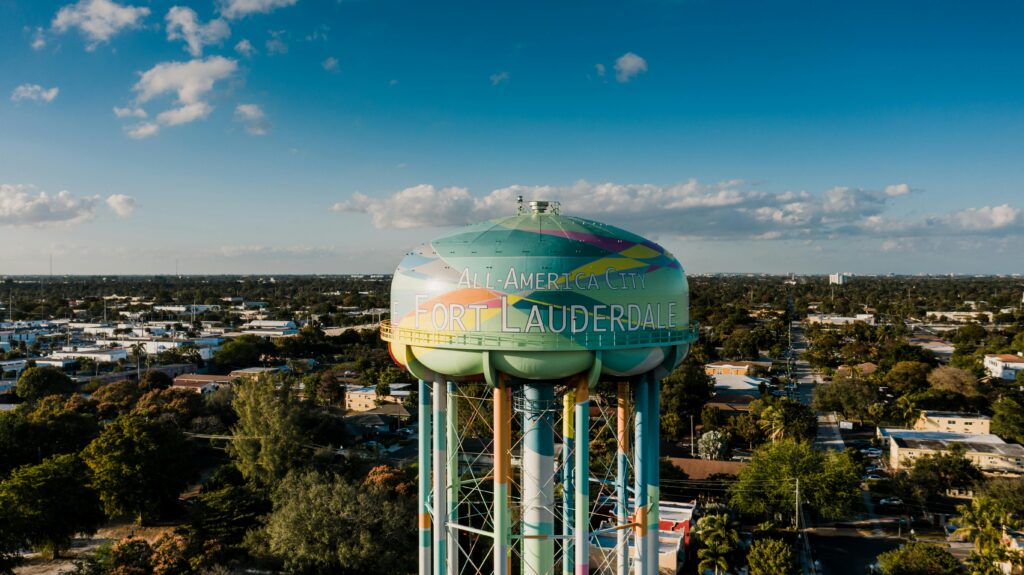
With over 50,000 registered yachts and more than 100 marinas, Fort Lauderdale earns its reputation as the Yachting Capital of the World. Sailboats, mega-yachts, and hard-working cruisers all coexist here… whether they like it or not, often within the same narrow stretch of water.
It’s also a city shaped by maritime scale and history. Port Everglades is the third-largest cruise port in the world, funneling an endless parade of ships past anchored sailboats. Beyond the marine traffic, the city offers beaches, arts, culture, and events—and if you’re trying to escape winter, it’s a solid stop. In fact, it has snowed here exactly once, in 1977.
For sailors, Fort Lauderdale is often a chapter defined by working, waiting, fixing, and being humbled. It certainly was for us.
Fun fact: Fort Lauderdale is widely considered the birthplace of Spring Break in the 1930s, a reputation cemented by the 1960 film Where the Boys Are.
Small Boat, Big World
Fort Lauderdale was a bit of a culture shock. We had been away from large, bustling American cities for almost a year. The months leading up to this stop were spent in quiet, fairly remote islands with limited groceries and even more limited entertainment. We missed some things, sure—but we had grown used to a slower, quieter way of life. Fewer conveniences. Less noise. Less everything.
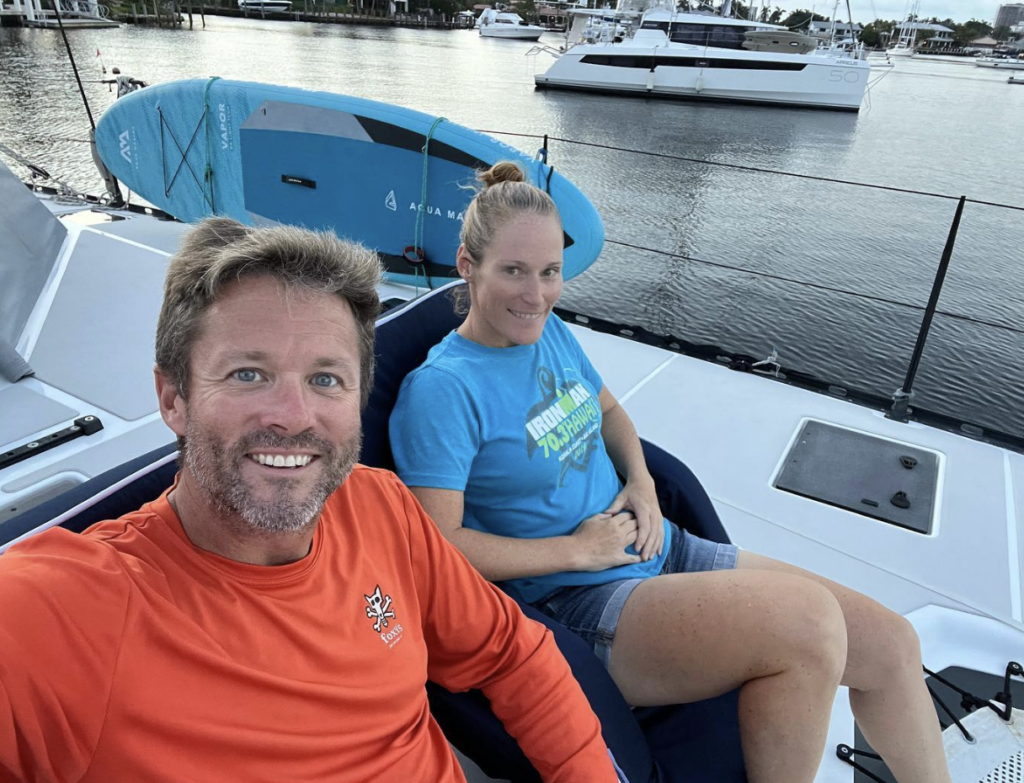
We lost weight. We slept better. We adjusted to the calm, pared-down rhythm of cruising life.
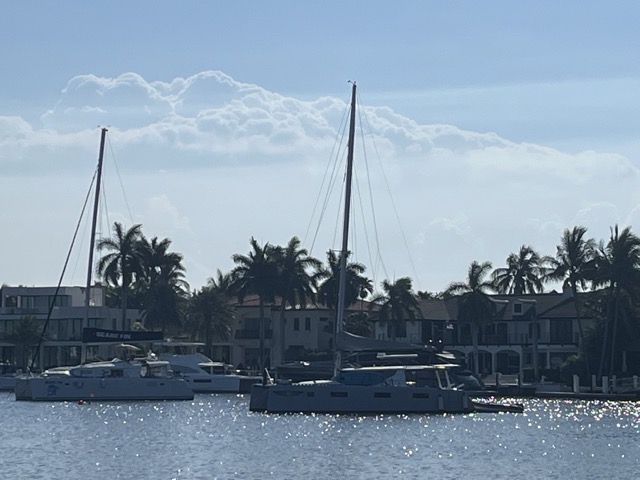
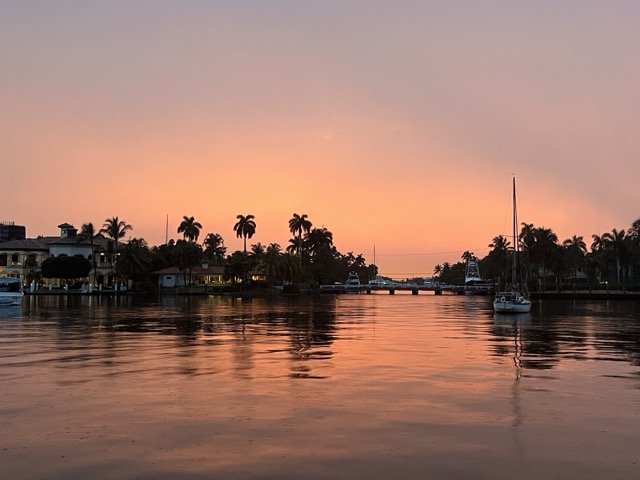
Now we were anchored in a small, man-made “lake,” surrounded by boats and multi-million-dollar homes—and superyachts that made our catamaran feel like a toy. Most of the houses seemed empty, many clearly second or third homes. Entire balconies staged like IKEA showrooms: identical chairs, unused fire pits, lights off night after night.
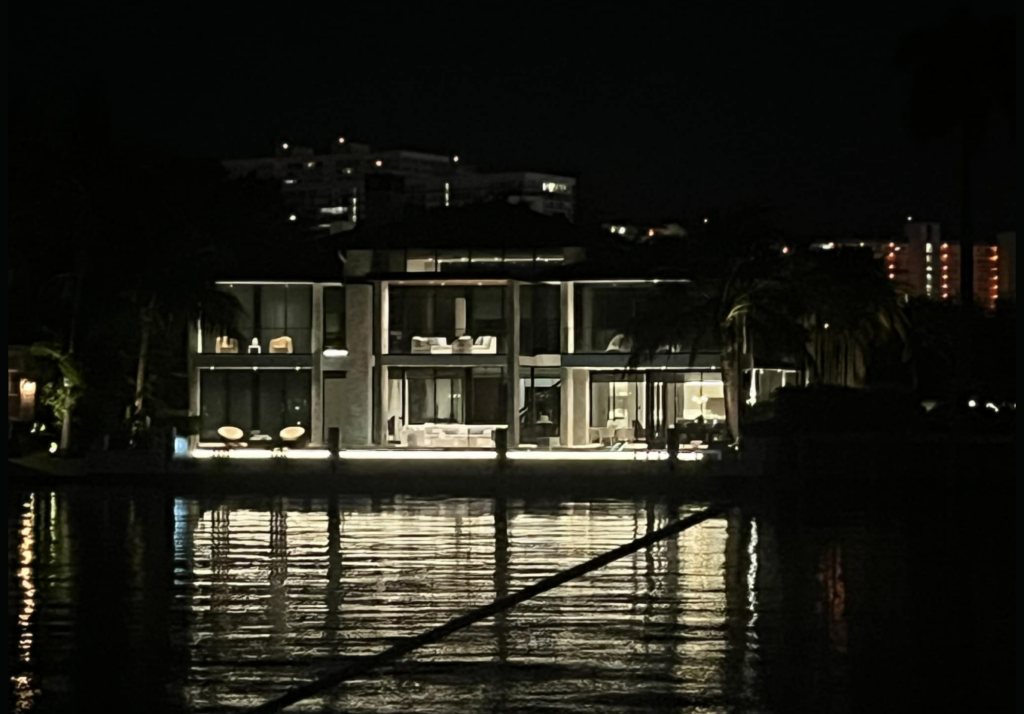
The difference in scale—from Spain and the islands to this—was wild. It’s the kind of place that makes you briefly question your life choices. Seriously… can I use your completely empty multimillion dollar pool with fire pit? It feels like a shame to let it sit there unused.
Life on the Hook: Making Lake Sylvia Home
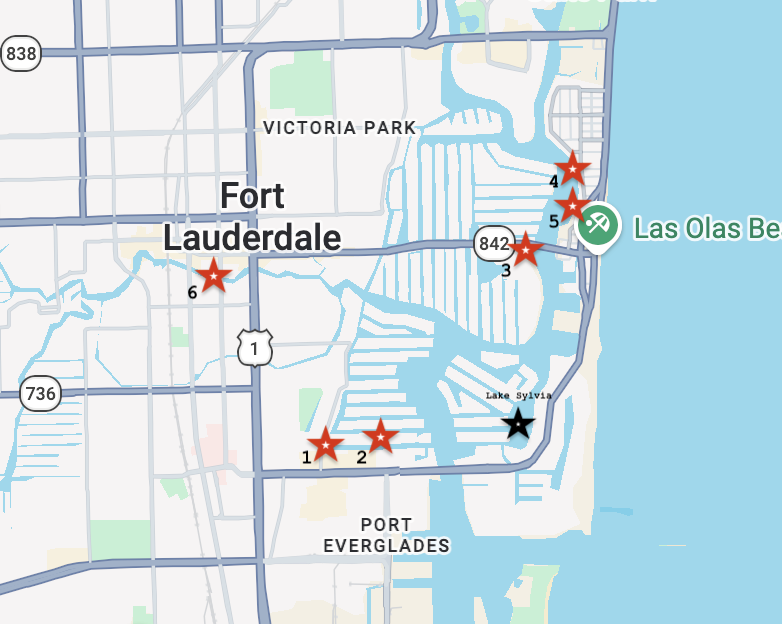
Once we accepted that we’d be here for a bit, we got our bearings quickly. Daily life off the boat meant solving the first problem every cruiser faces: how do you get ashore—and where can you leave the dinghy without worrying about it for hours at a time?
Thankfully, Lake Sylvia is a practical anchorage, with several solid options. We used all of them. Often.
Getting Around: Dinghy Access
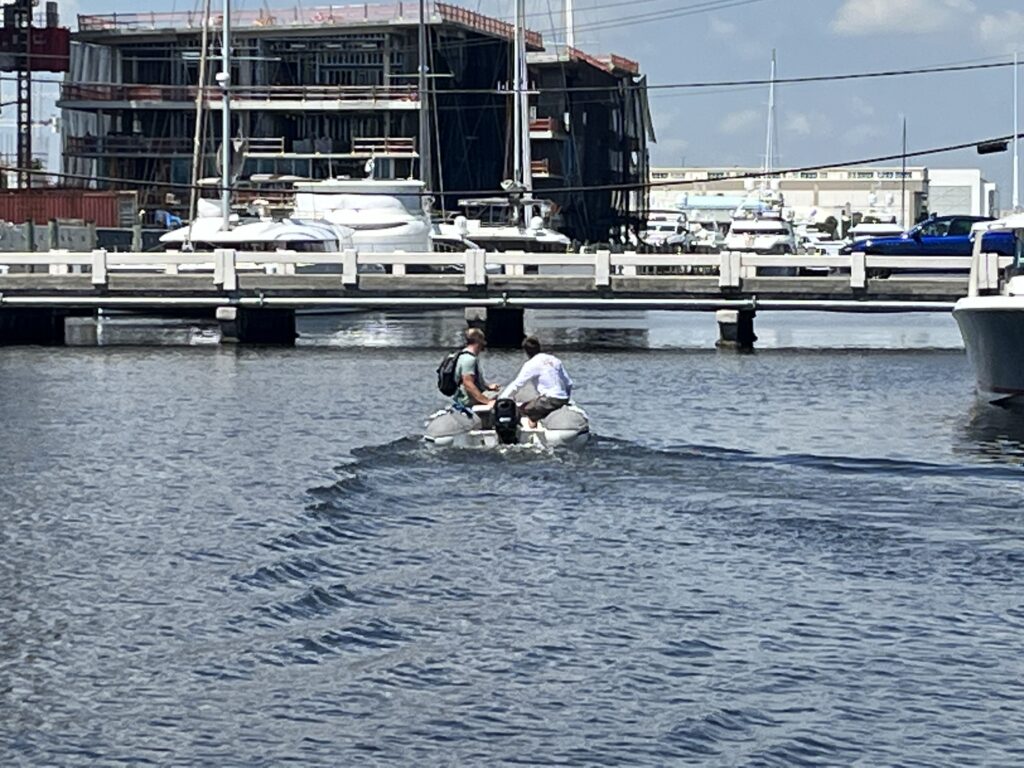
- Cox’s Landing Public Boat Ramp – A good spot for quick errands or drop-offs. It’s very busy, acting as a pickup point for day-boat operations, which can be annoying, or entertaining, depending on your mood. Bonus: free water (important, since Lake Sylvia is not where you want to make water) and a public pump-out. Reconnaissance is recommended before taking a big boat up the narrow canal.
- Southport Raw Bar – Our most-used landing spot. You can dock the dinghy for $10, credited to your bill if you eat there—which you will. Groceries, laundry, restaurants, and marine shops are all within easy reach. Also, who doesn’t need a beverage after errands before dinghying home?
- Las Olas Dinghy Dock – Near the old mooring field on the southwest side of the Las Olas Boulevard Bridge. Great access to the beach side and the shops and restaurants along Las Olas.
- Coconuts Bar & Grill – Primarily for restaurant use, but we’d often go ashore, wander around, then stop in for a drink on the way back. Waterfront views and excellent boat-watching.
- Sebastian & Valencia Streets – Not ideal for leaving the dinghy long-term, but a useful drop-off spot for beach access or Avis rental cars.
- Up the New River – A floating dock for daytime access to downtown. The dinghy ride itself is half the fun—lots of action and sights along the way.
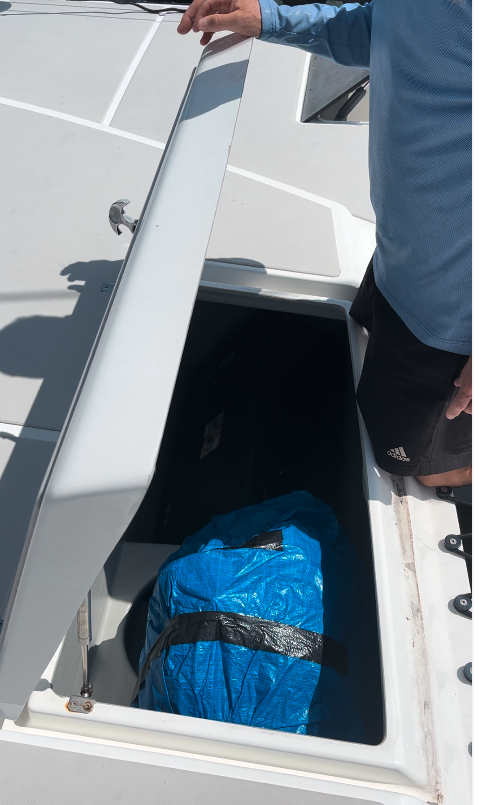
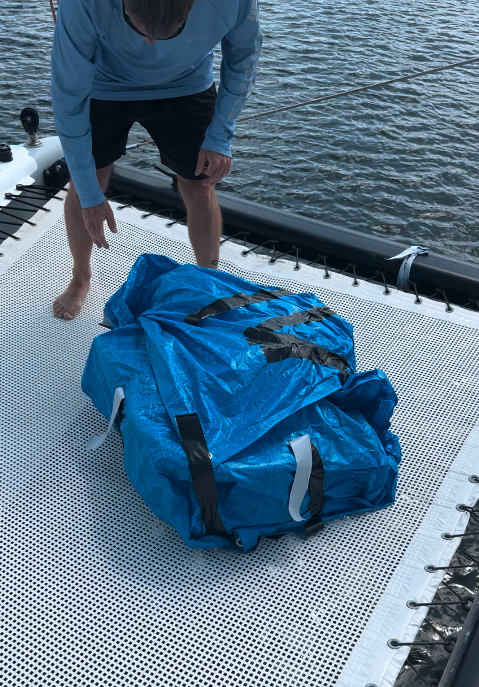
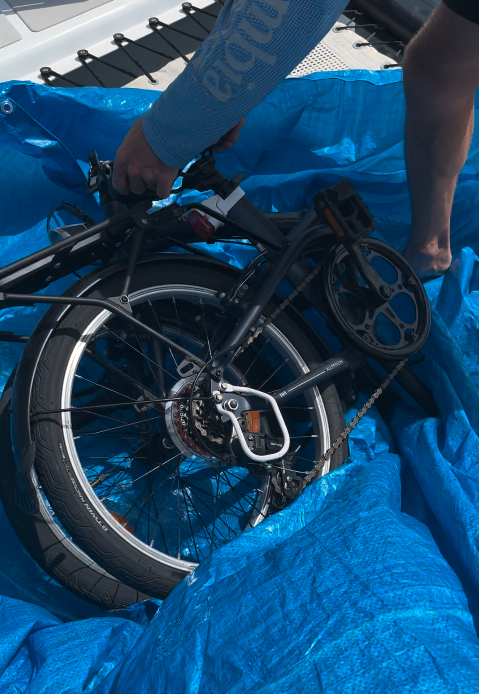
Once we cracked the dinghy puzzle, the next challenge was getting farther afield. Enter: the folding bikes. They’d been stored since Spain, victims of salt air and neglect, and we had no idea what shape they’d be in. Kevin’s, wrapped in tarps in a forward locker, fared better than mine under the escape hatch—but both were rideable. And they got a lot of use over the next two months.
Passing the Days
While we waited on mast updates and our haul-out date, our days were a mix of small boat projects, conversations with neighboring cruisers, and watching the afternoon and weekend party boats come and go (top-tier people watching). There was also a fair amount of low-grade stress humming in the background about what came next.
Some nights we’d open a bottle of wine and just be: play a game, read, listen to music.
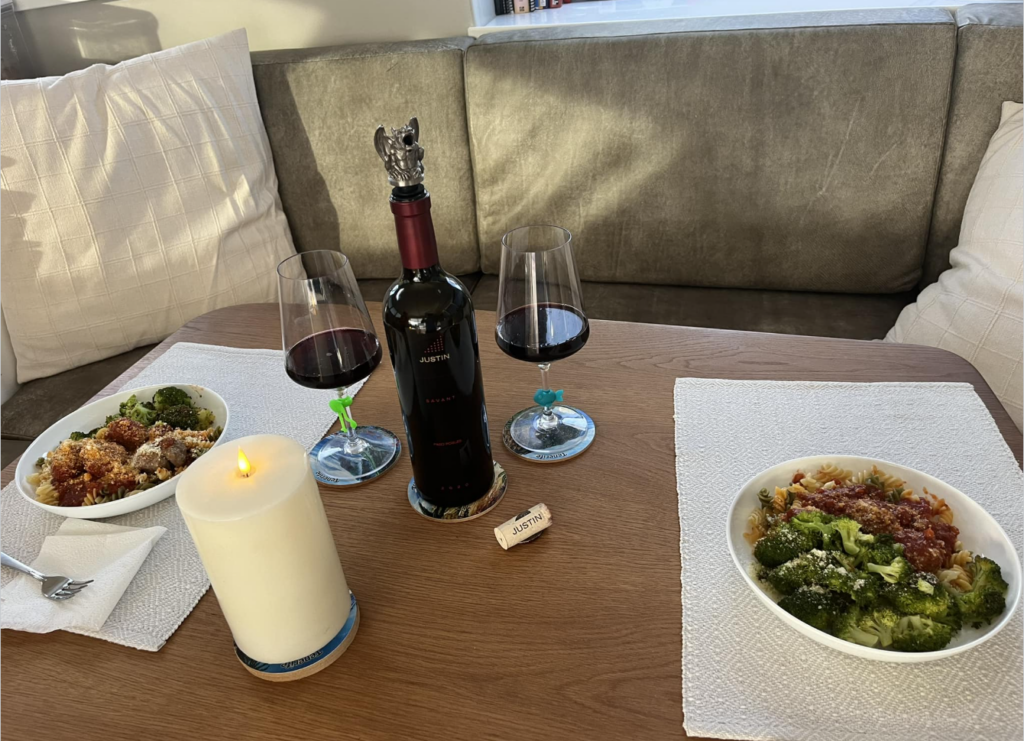
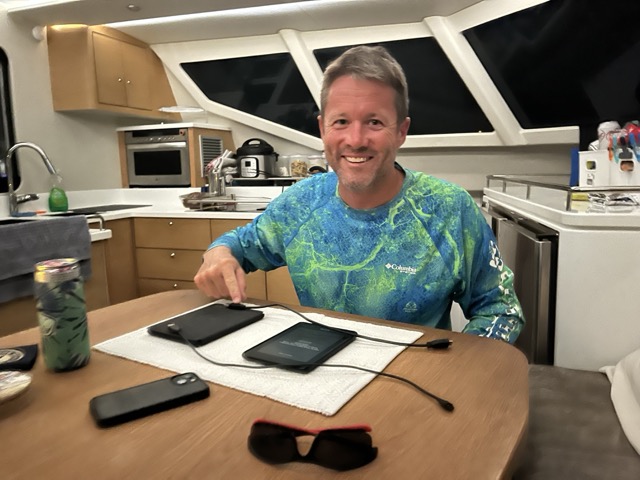
Other nights Kevin attempted to teach me electrical engineering—volts, amps, watts—because he was tired of my endless questions and puzzled looks. I tried valiantly to keep my eyes from glazing over as he answered those questions… thoroughly. Turns out living aboard means you’re also apprenticing as an electrician. He did his best to make it fun.
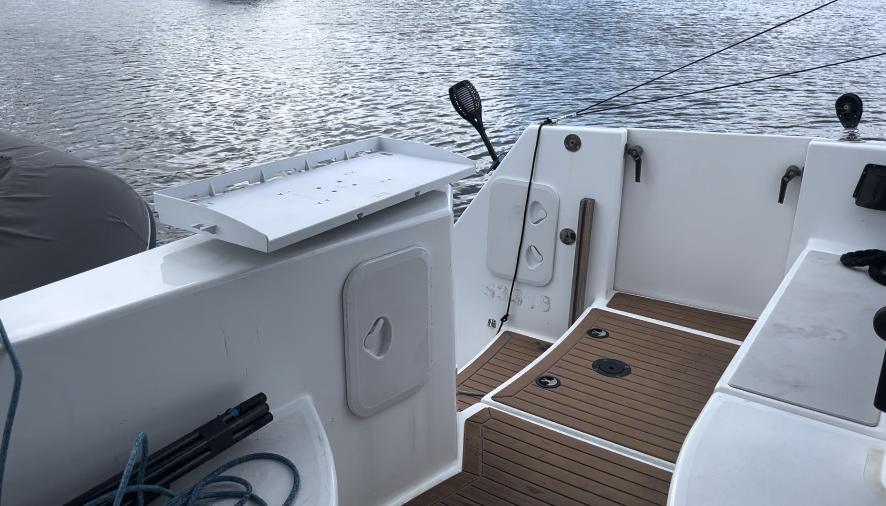
On that note we got some good projects done!
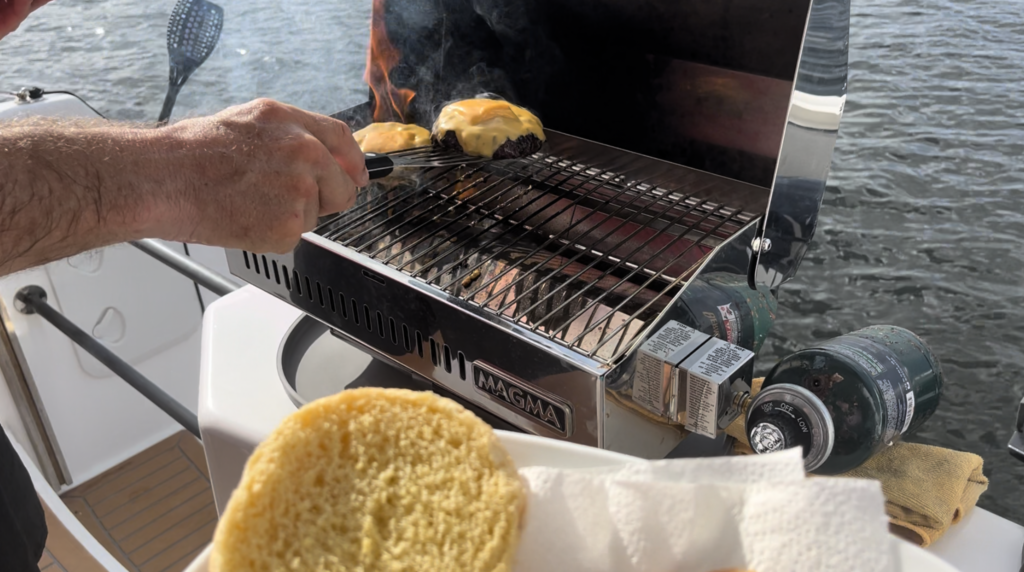
We also took the dinghy out for sightseeing trips, sampling local food, beaches, and parks—small escapes that made the waiting easier.
Favorite Spots
Being anchored here for over a month meant patterns formed quickly. Some places we visited out of necessity, others purely for enjoyment. These were our go-to spots around Lake Sylvia.
West of Lake Sylvia (Southport / Public Dinghy Docks)
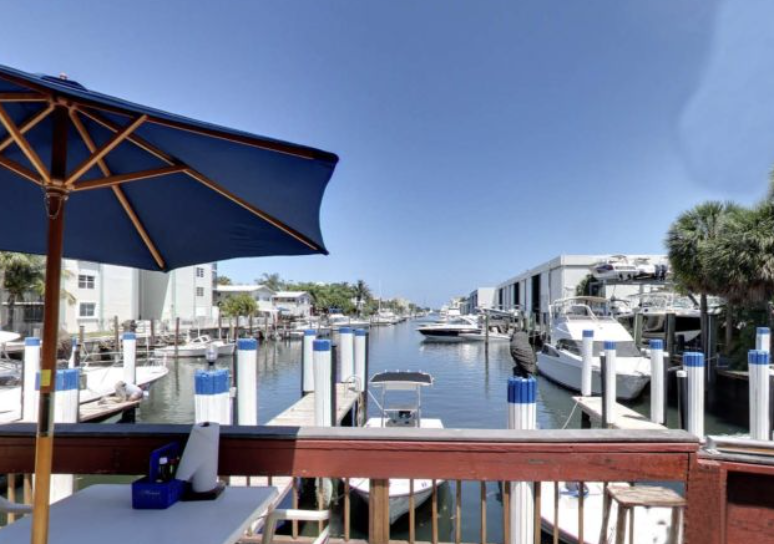
Southport Raw Bar & Restaurant
Free dinghy dock if you eat. Cold beer, solid seafood, and the unofficial cruiser town hall. We even scored an invite to a party at one of the Lake Sylvia mansions—sadly, timing didn’t work out.
New York Marina Deli
Big portions, classic New York-style subs, zero frills. Come hungry.
Waxy O’Connor’s Irish Pub
We will always find the Irish bar. Pints, pub food, and enough noise to forget you’re anchored in a lake.
Dough Boys Pizzeria & Italian Restaurant
Friday pizza night staple. Great pizza, garlic knots worth planning your day around.
La Bamba Mexican & Spanish Restaurant
Reliable, filling, and forgiving when boat life already kicked you today.
Ross Dress for Less
Cheap clothes, sure—but the real win is the Amazon lockers. Absolute clutch move for cruisers.
Publix
The mothership of Florida provisioning. Clean, predictable, always busy—and pickup and delivery are a bonus.
Tap 42 Bar & Kitchen
Craft beer and decent food when you’re tired of cooking aboard and need a night off.
Lester’s Diner
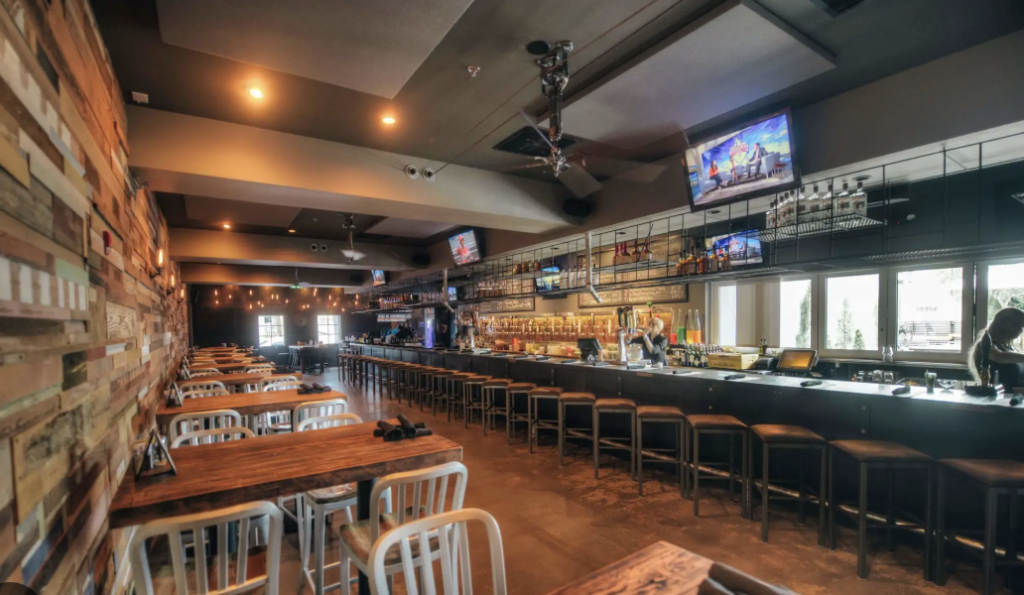
A long, hot walk up 17th Street to marine supply stores—this is the perfect midway stop. Old-school diner that doesn’t judge.
Boat Owners Warehouse
You go in for one part and leave $200 poorer… and somehow grateful.
Lauderdale Coin Laundry
Laundry gets clean; eyes stay open. Strong people-watching energy. One cruiser watched a man strip completely naked while waiting for his wash. You never know what you’ll see.
Spear America Fort Lauderdale
Free-diving and spearfishing gear, tank fills, and a great staff. Dangerous place for anyone with ocean hobbies.
Along the Coast (A1A)
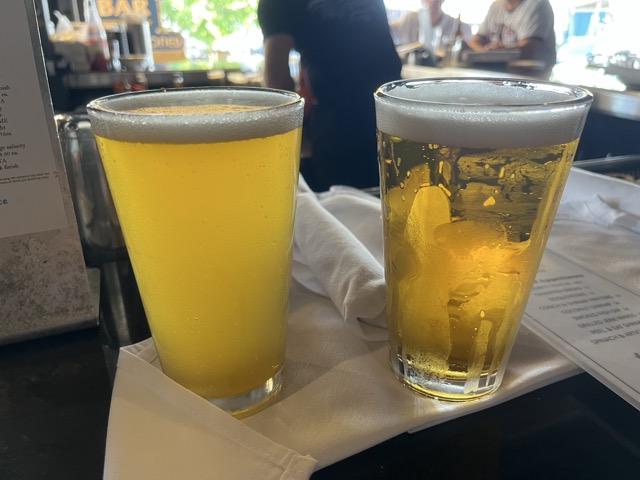
Coconuts
The dinghy dock alone brought us here often. Good drinks, apps, and excellent boat-watching.
Con Murphy’s Irish Pub
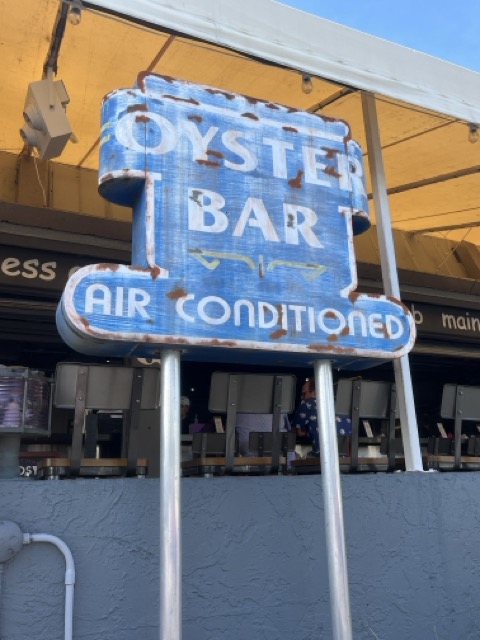
Because Irish bar. Easy, unfussy, near the beach.
Avis Rent a Car
Because sometimes the fastest way to fix boat problems—or run from them—is four wheels. Not stellar service, but you’ll get a car.
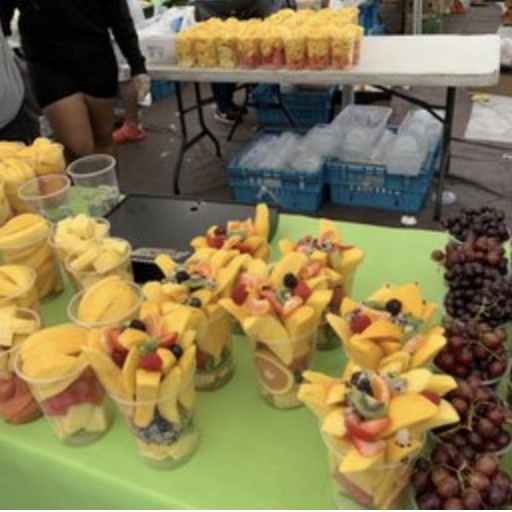
Las Olas Farmers Market
Saturday mornings only. Small but nice—fresh food, music, and a great excuse to linger or go for a long walk.
Further Out (Worth Casting Off For)
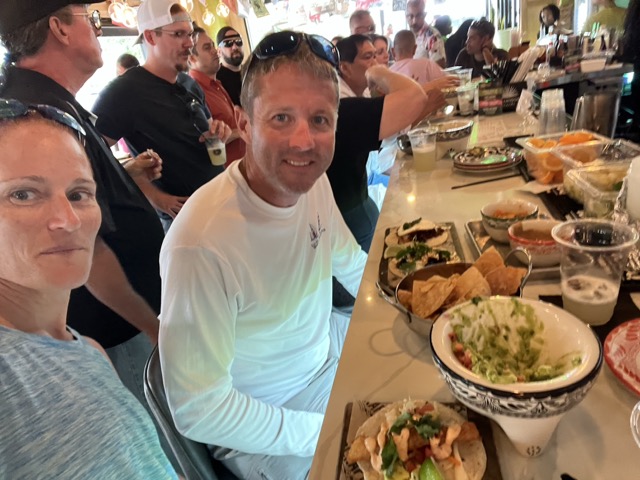
Tacocraft Taqueria & Tequila Bar
Tacos and tequila that make everything feel manageable again.
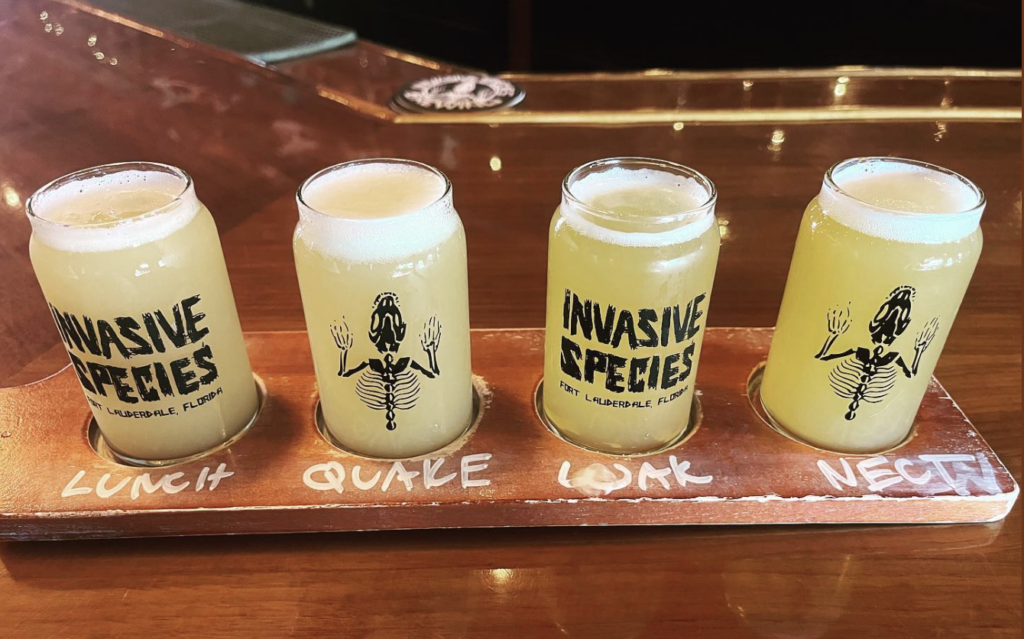
Invasive Species Brewing
Our favorite of the local breweries. Good beer, laid-back vibe, and the perfect place to debrief after rough boat days.
Topgolf Fort Lauderdale
Golf with drinks in hand and zero expectation of talent. Surprisingly therapeutic.
Reality Returns
Eventually, the distractions ran out and reality crept back in. Our haul-out date was approaching, and the logistics were daunting. We needed to get to Lauderdale Marine Center via the narrow, busy New River—timed bridge openings and strong currents—with one motor.
Our new rig was still either in South Africa or on a ship somewhere in the Atlantic.
Our port motor issue could be a simple fix… or a full replacement. No idea on cost. No idea on timeline.
We couldn’t live aboard at LMC, and affordable short-term housing nearby had proven elusive.
And hurricane season was getting closer.
Things were about to get real.
And really expensive. Like, REALLY EXPENSIVE.
Discover more from Water Wings Sailing
Subscribe to get the latest posts sent to your email.