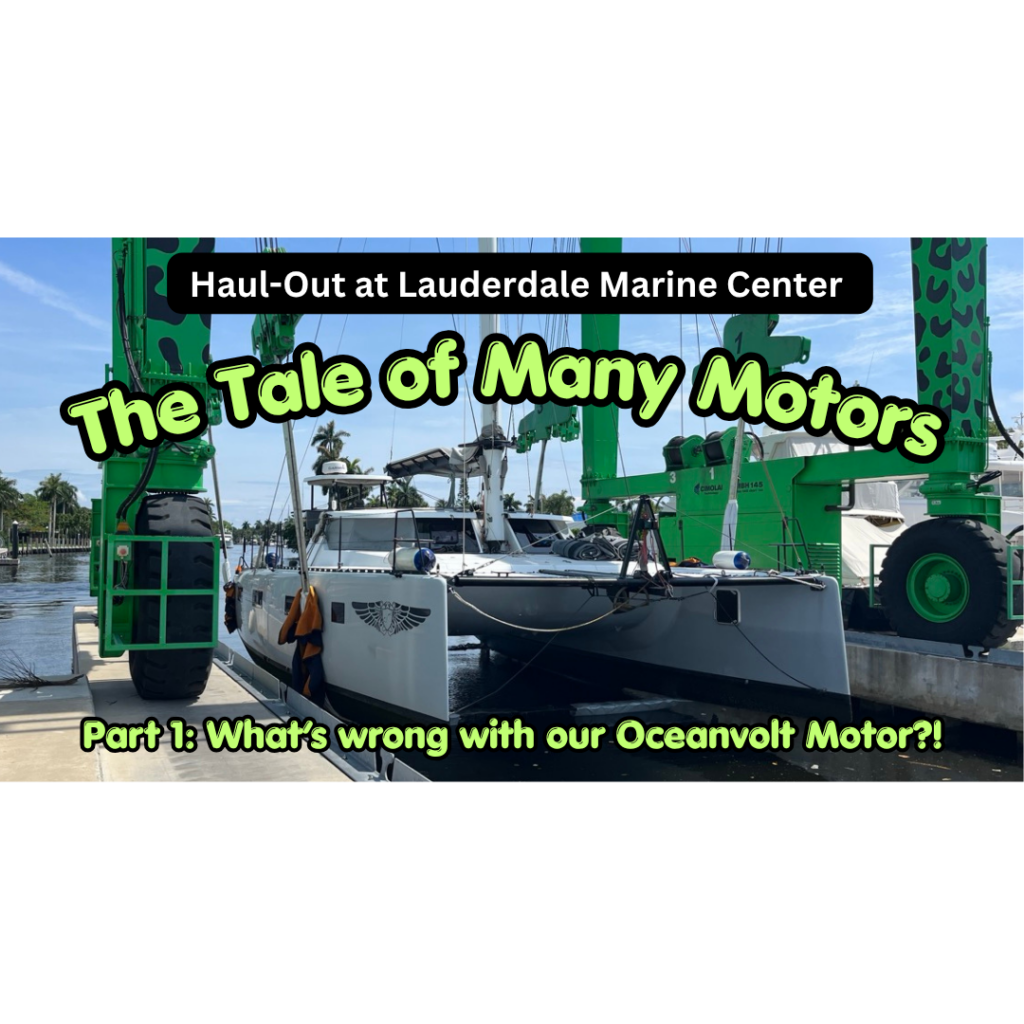
(May 2023. Fort Lauderdale, Florida.)
We successfully snaked our way up the narrow, winding New River—shout out to our SeaTow for getting us there without much drama. Just before that push, we made the call we’d been avoiding: reroute the new rig north to Baltimore/Annapolis, meet it there after we run the ICW up to the Chesapeake. (More on that story HERE).
Simple plan…except that plan requires two working motors and a willingness to burn a lot of fuel.
We were two out of three on those requirements. Our port motor is currently out to lunch. So, at this point, our fate was officially in Oceanvolt’s hands.
The Plan (Because There’s Always a Plan…)
Oceanvolt, based in Finland, had shipped a replacement motor and saildrive leg ahead of us, timed to land the same day as our haul-out was scheduled, May 30th, at Lauderdale Marine Center. On paper, it was tight but doable—swap the motor, splash, and still make it north of Cape Hatteras but July 1st for our insurance cutoff requirement.
So…you’re telling me there’s a chance.
What could possibly go wrong?
Haul-Out: The last smooth part of this whole operation
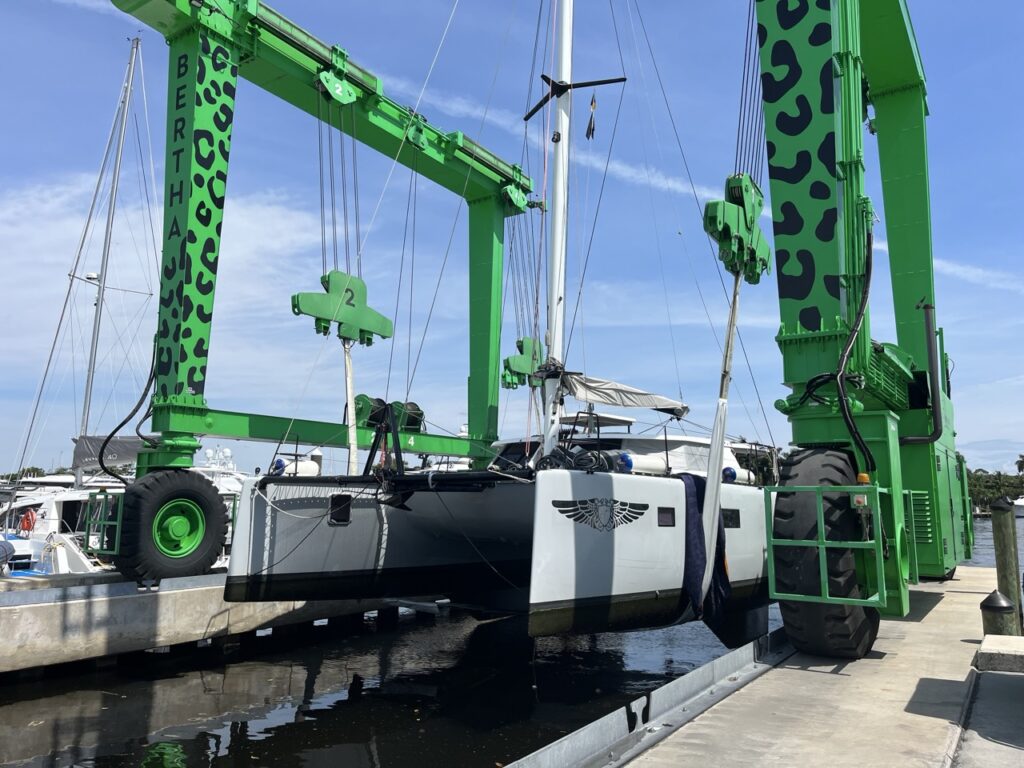
The haul-out itself? Honestly, one of the smoother parts of this whole saga. Lift, pressure wash, block, done. No drama.
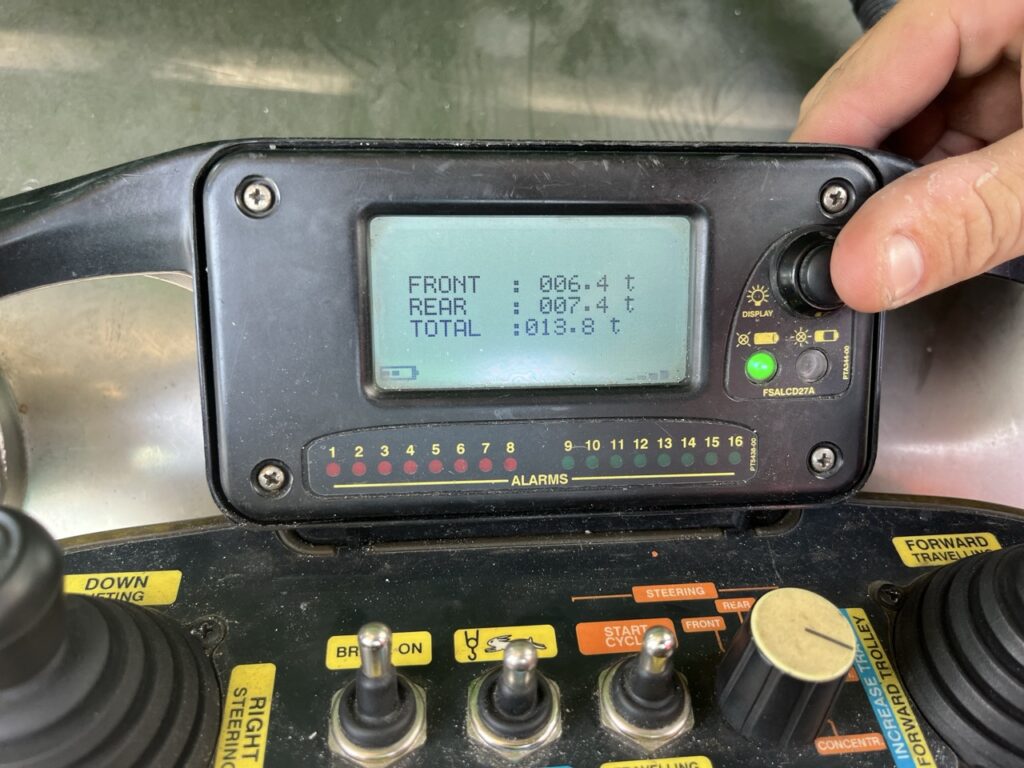
Fun fact: came in at a sleek 13.8 tons. Not too shabby for our floating home.
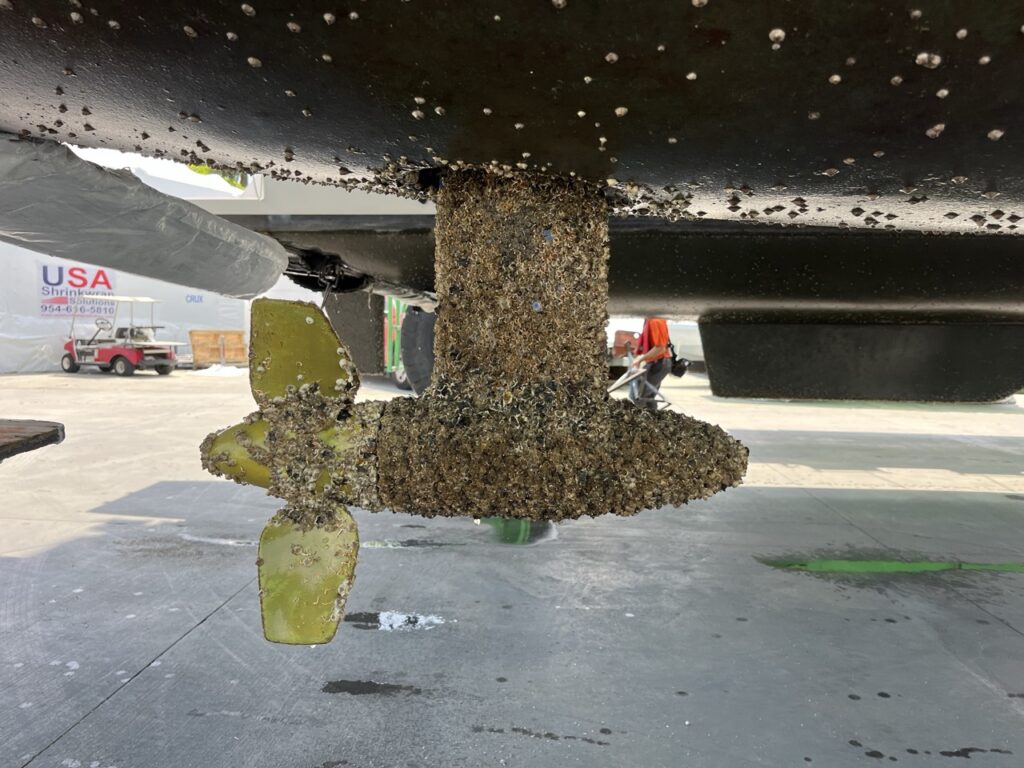
And credit where it’s due: the Coppercoat and PropSpeed held up incredibly well after the Spain-to-Florida run.
The real issue wasn’t the hull.
It was us. Where do we go now that our home is on blocks?
Your boat can stay here…but you can NOT!
If you haven’t looked at short-term housing options around Fort Lauderdale lately—don’t. It’s painful. Airbnbs and hotels were priced like we were booking beachfront luxury, not just trying to survive a boatyard stay.
We chased a few crew house options, almost landed one, but the timing didn’t line up with our very flexible (read: completely unknown) schedule.
Then Geoff and Fran stepped in—absolute legends—and offered up their spare office/apartment. Full kitchen, bedroom, everything we needed.
Only catch? It was in Boynton Beach.
Which meant: 15-minute bike ride → TriRail → 40 minutes → another 15-minute bike.
Each way. In between we’ll be outside working on the boat all day…in the Florida summer heat.
We looked at each other and basically said, “Well…this is what we’ve got.” Beggers can’t be choosers, we’ll get to also hang out regularly with our friends and hey, it was only going to be for a week or two…
Yeah. About that. Little did they know how long we would take up residence in there “office.”
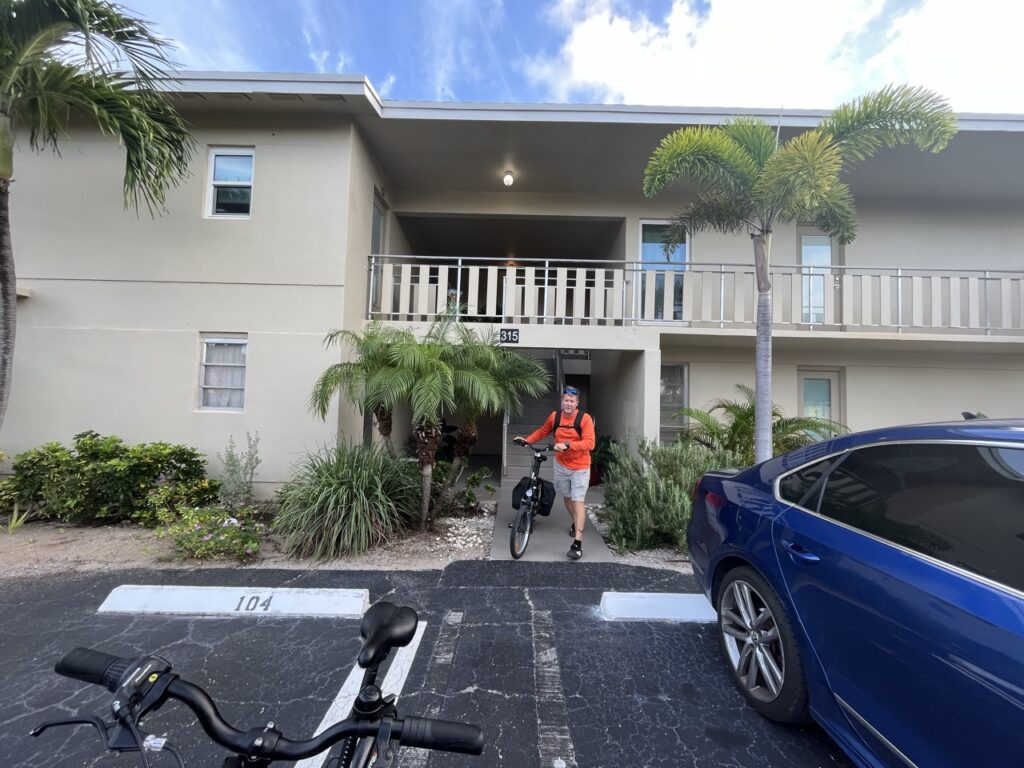
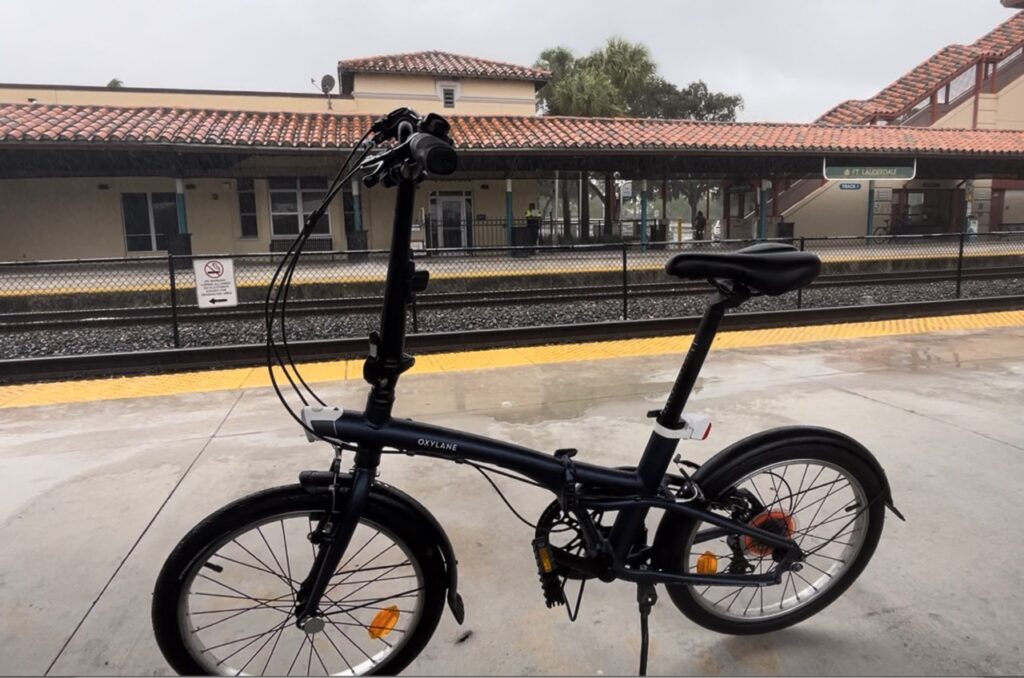
Shout out! The Tri-Rail system came through for us in a big way. Florida has its quirks, no question—but Tri-Rail? Solid. Free rides for life for vets with service-connected disabilities.
Initial Troubleshooting (Or…Figuring it out as we go)
Oceanvolt Sales in Annapolis pointed us toward Nordic Marine in Miami, a gridlocked hour drive south. At the time, they were the only “certified” mechanics for Oceanvolt systems on the East Coast.
Certified, in this case, meaning trained…not experienced. We were their first Oceanvolt repair job. Not exactly a confidence boost.
But to their credit, they showed up, leaned in, and genuinely wanted to figure it out. That counts for a lot when you’re in a situation like this—even if the learning curve is happening on your dime.
The day of the haul out they were in Miami waiting for our Oceanvolt Shipment while we got settled on the blocks. Great. Everything was going according to plan.
Hold up. Pump those positivity brakes! This is boat life 🙂
The Plan Starts to Fall Apart
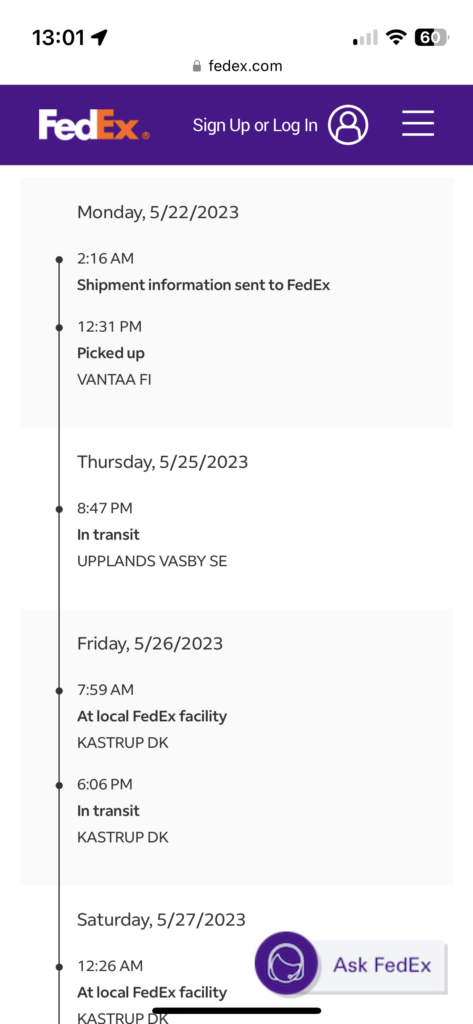
On the May 31st delivery date, our delivery tracker updated: Shipment delayed.
The shipment still hasn’t left Finland (Shipment date May 22nd)!
Wait, what?! Fedex and US customs bureaucracy was not on our side for this one. Now we have a bit of a conundrum. This was the whole reason we got hauled out!
Come our haul out date it was still in…Denmark?!
While we we waited for an update, we started trouble shooting.
The “Oh…This Is Bad” Moment
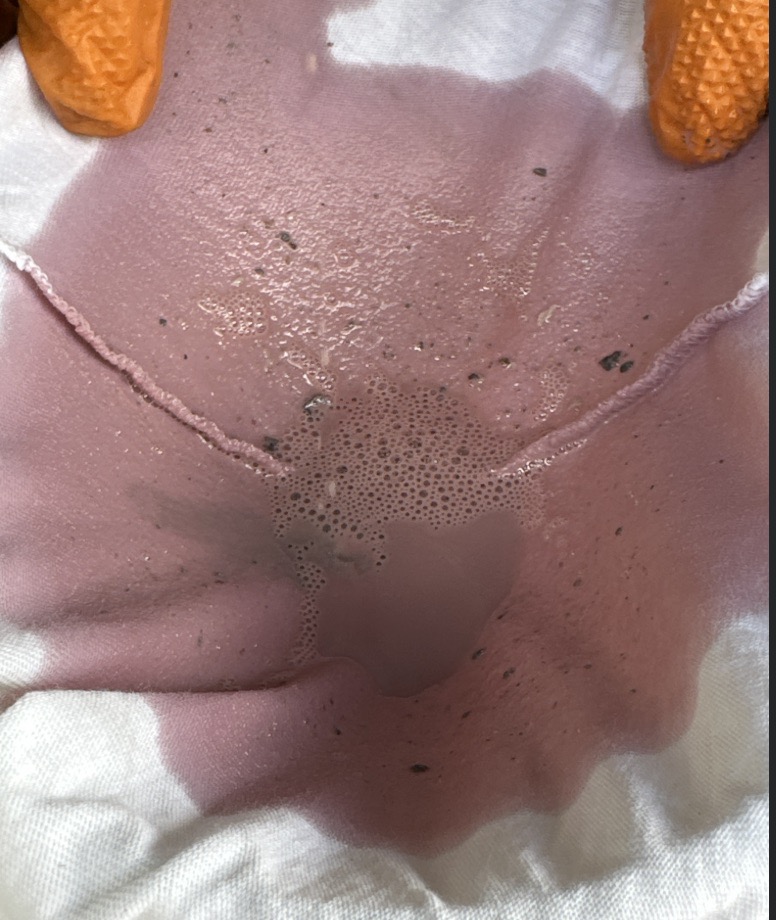
The following morning while we waited for the crew from Nordic Marine to arrive at LMC to look at our set up, we popped the oil fill cap on the failed port motor.
Milky oil. If you know, you know. Saltwater in the system. Not great. But that still didn’t completely explain the grinding we’d been hearing.
Once the team arrived, we drained the oil and removed the the sail drive. That led to further unfavorable discoveries.
- Metal shavings were present in the oil
- Top bearing on the saildrive covered in metal shavings
- The bottom bearing of the motor…shredded.
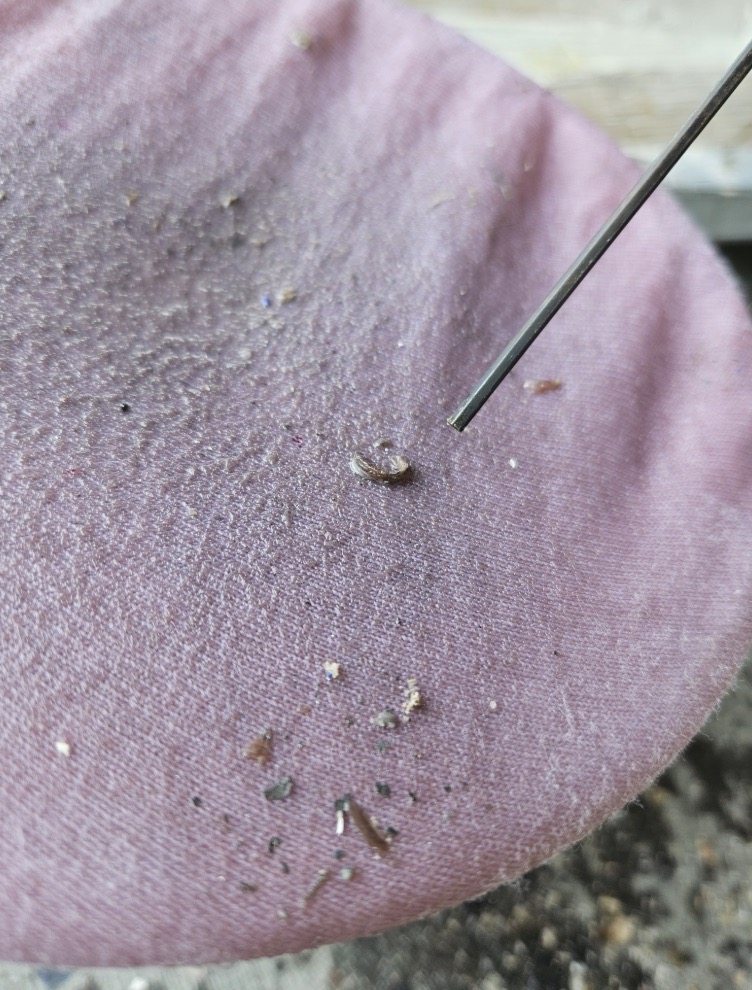
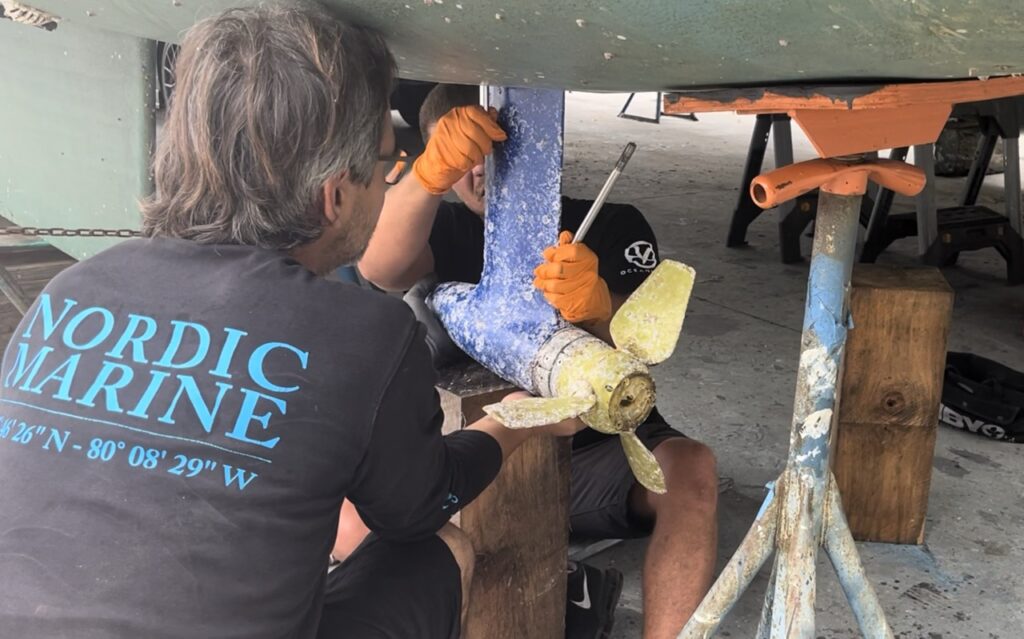
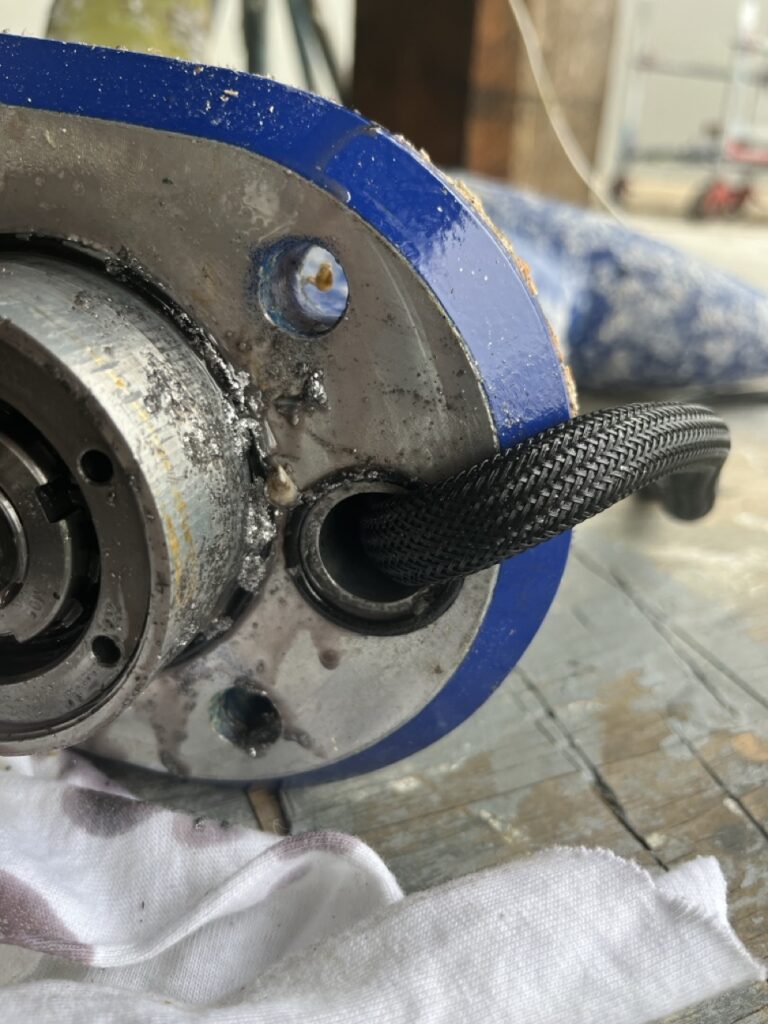
At that point, it wasn’t a mystery anymore. Both the motor and the saildrive were done. We documented the evidence and were glad the new set up, wherever in the world it’s stuck, at least it was on it’s way.
But, what caused the bearing to disintegrate?
Theories Emerge
We kept coming back to two possible scenarios.
Theory 1: Saltwater intrusion – Our Theory
A seal fails, seawater gets in, oil turns into a milkshake, bearings corrode in salt water and fail, system shuts down. We came up with this one.
Theory 2: Vibration / alignment issues – Oceanvolt’s Theory
Something slightly off—likely at the flange—creates uneven stress. Bearings wear faster, seals get compromised, and eventually…same result. Oceanvolt came up with this one and passed on to Nordic Marine to look at and document.
Here is where it gets tricky when it comes to diagnosing the cause…
The Oceanvolt Design
To understand what goes wrong with this motor and over the next few weeks…and eventually months, here is a crash course on what you need to know.
The Oceanvolt ServoProp system is basically one sealed, integrated drivetrain—motor, saildrive, and controllable pitch prop—all working together as a single unit.
Unlike a traditional diesel engine-saildrive setups with separate serviceable components, the motor is directly coupled to the saildrive leg at the rubber flange keeping water out of the boat. The “Servo Prop” version of the saildrive leg we owned contained the gear reduction, internal bearings, shaft, and an electric motor for controlling propeller pitch. All these components are protected by tight metal-metal tolerances in an oil-filled housing.
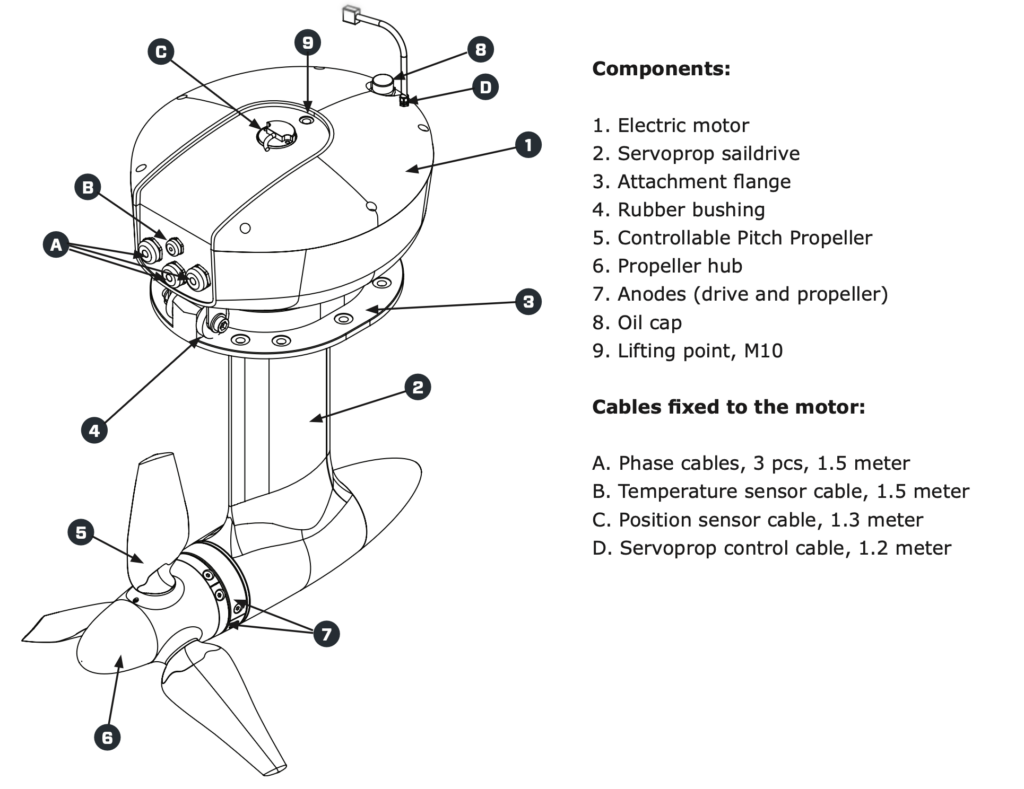
It’s clean. It’s efficient. But, it’s also not something you can just crack open and tinker with. Because of this design, there’s no practical way for an owner to perform any internal checks or maintenance—opening the system risks misalignment, seal failure, and loss of integrity.
The ‘service manual’ very specifically restricts almost all servicing to qualified technicians. If something internal goes, you’re not fixing it dockside. You’re getting hauled out and replacing major components.
How might this play into what may have happened?
Theory 1 – Still Viable
Salt saltwater intrusion: If a seal fails and seawater enters the system, it quickly contaminates the lubrication, leading to corrosion and rapid bearing failure.
Once the bearings degrade or seize, the drivetrain can lock up, and the motor will shut down—resulting in a full system replacement rather than a repair.
Theory 2 – Concern, but disproven
The space around the Flange: There is a piece of hardware between the motor inside the hull and the saildrive outside, known as the flange.
While it may look like a simple mounting point, it’s actually a critical piece of the Oceanvolt saildrive system. The flange serves two major purposes; Welded fore and aft are vibration dampening bushings that the system can mount to. The mounting points are on the motor and connected with a bolt through the forward bushing and another bolt through the aft bushing. Second is the seal, this 3/4 inch thick piece of rubber’s primary purpose is to keep seawater out of the hull. It’s secondary purpose is to act as a backup seal to keep seawater out of the motor-saildrive machined mating point.
When the saildrive leg is installed to the motor the mating point uses 4 bolts and a machine beveled section to create the watertight seal. At this mating point the saildrive shaft must also fit precisely into the output teeth of the motor, and the primary saildrive-motor water seal must be clean, greased, and not misaligned in its o-ring groove. If any of these items are not correct there will be metal fatigue and stress at the gears and bearings plus water intrusion in the saildrive, motor, and eventually engine room.
In short, the flange and its ability to secure and perfectly mate the system becomes the structural backbone of the drivetrain. Any small misalignment or incorrect fit, big failure.
Oceanvolt believed our the fiberglass walls in the thru-hull may be too small causing misalignment in the seating.
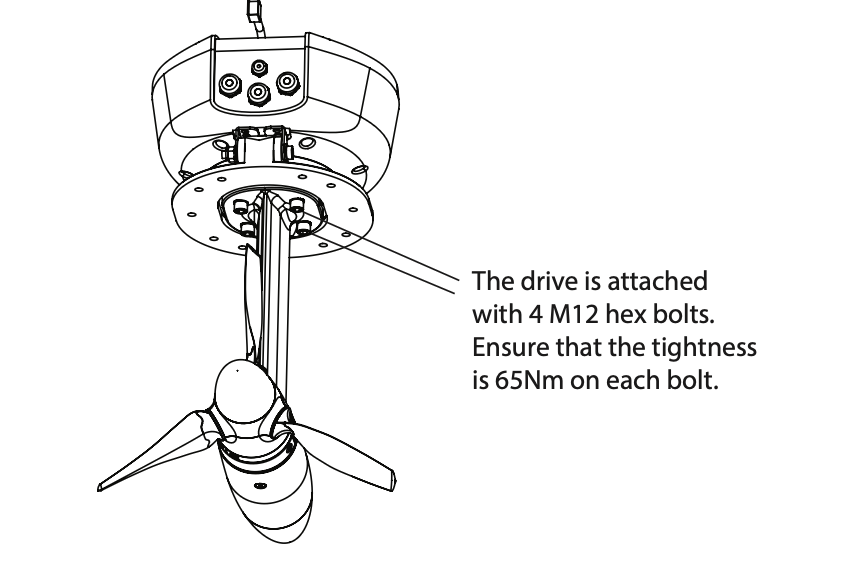
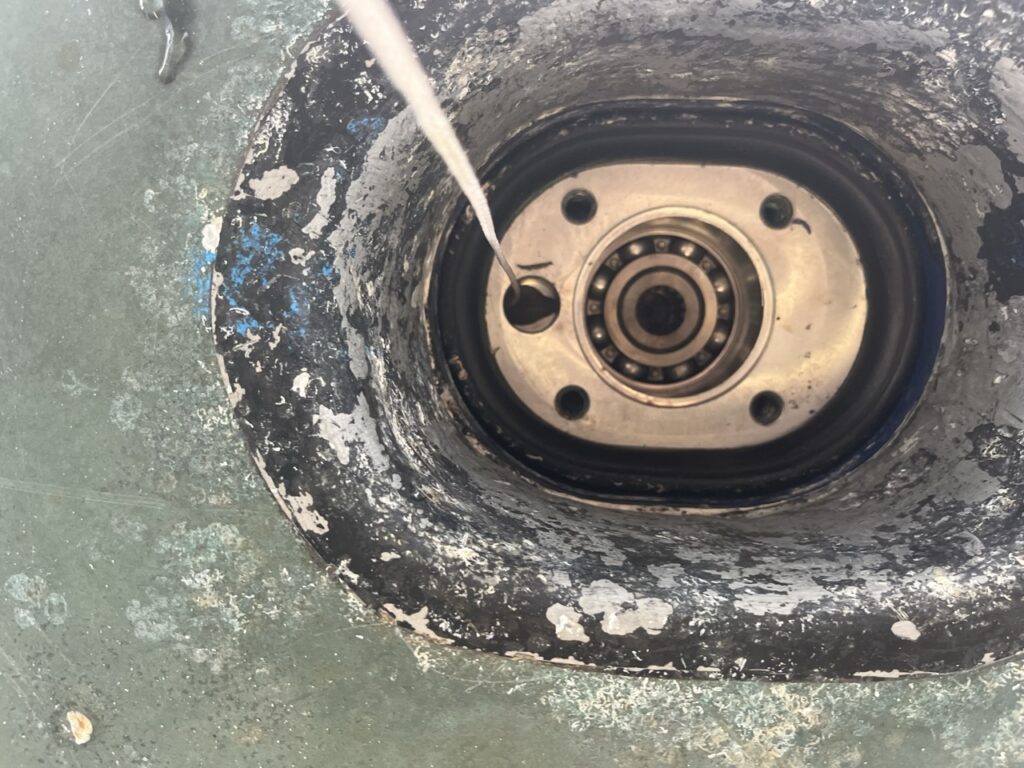
This is an interesting new theory since we were the first (and, after this only) Vision 444 to have the Oceanvolt set up installed, some of Oceanvolt’s top personnel from the Finland HQs, WERE PRESENT when the engines were INSTALLED AND TESTED in South Africa during the build and at the subsequent replacement in Spain once the boat made it’s first ocean transit.
Oceanvolt signed off on the replacement motors. Now their are questioning it as if it was our fault. Likely, ready to charge us for the new motor/sail drive.
Regardless, we reinstalled the damaged set up. We also checked the starboard side. Within spec, Oceanvolt agreed. Theory disproven. More wasted time and cost for us and Nordic Marine.
Meanwhile…Shipping timing reenters the chat
So…here we are. Good thing we have a replacement already on the way!
Remember that perfectly timed FedEx motor delivery?
Yeah…about that.
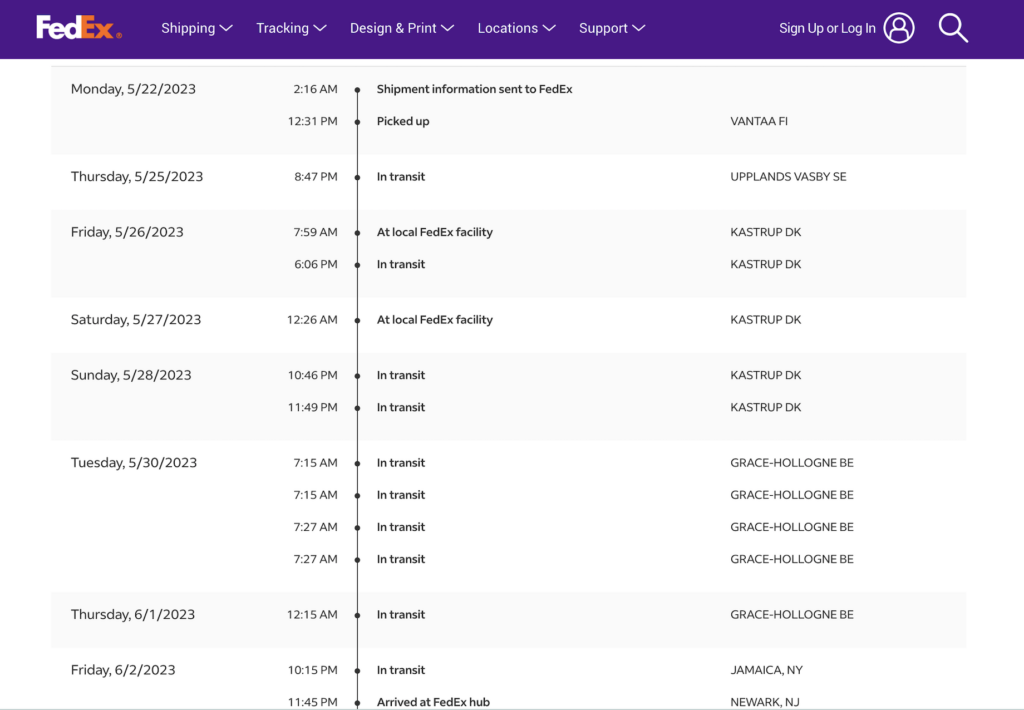
- May 31 (original delivery date): Update – delayed (still in Finland!)
- June 2: makes it to the U.S., but still not moving.
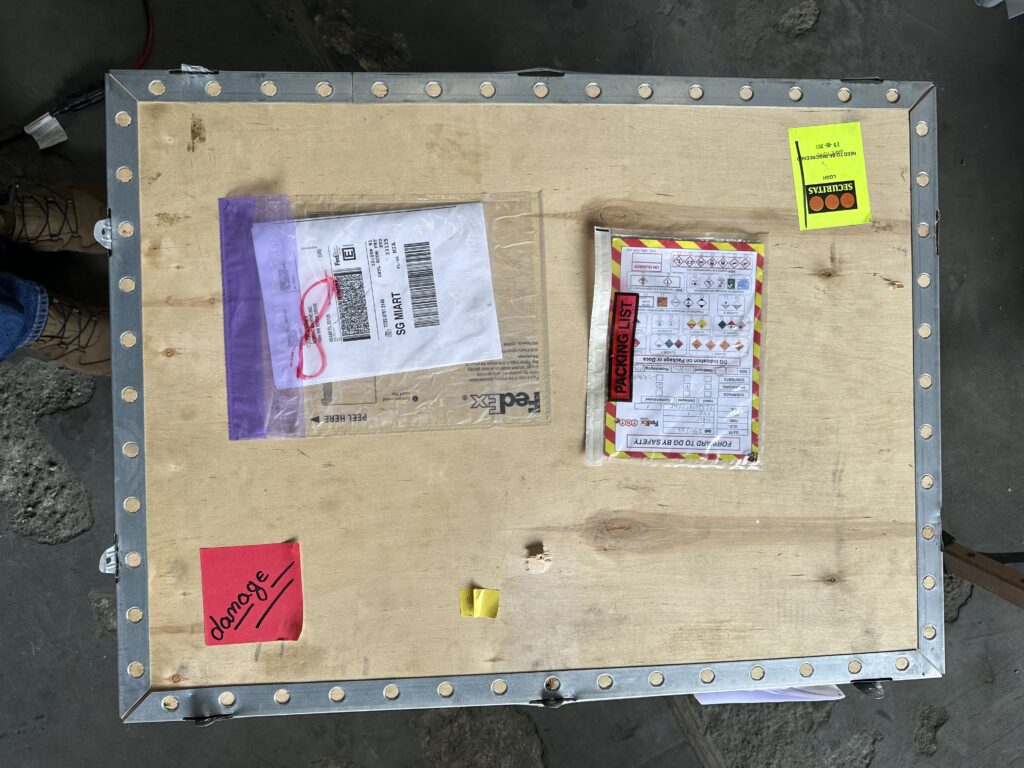
- Delivery Updated – Sidelined, “damage to lid”
- Delivery Updated – Delivery date June 6
- June 6: no delivery, no update
- June 7–8: “probable today” updates, que constant refreshing of the FedEx app.
- June 9: finally shows up…2 hours post the last tracker delivery time update.
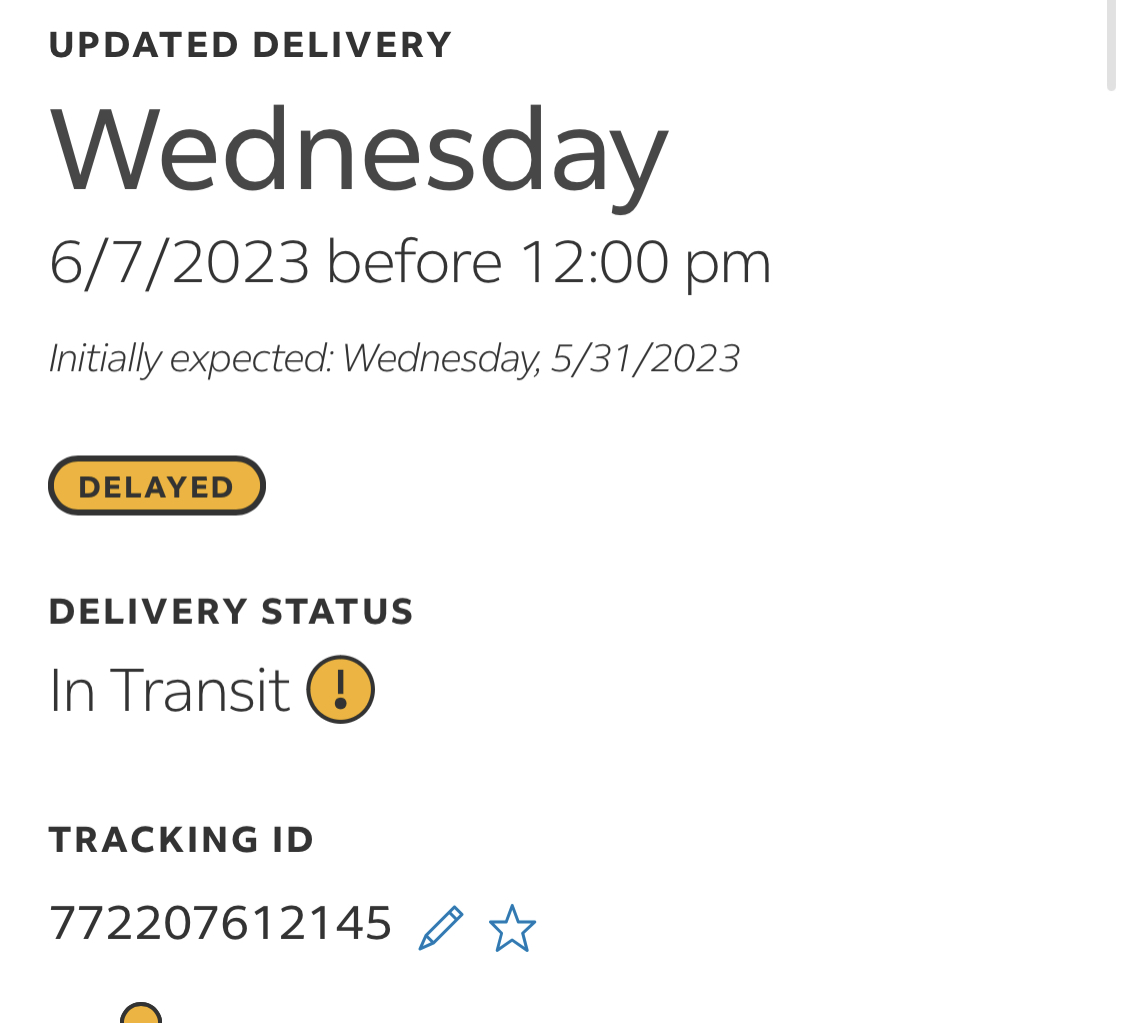
Eight days behind.
Eight extra days on the hard.
Eight extra days of costs stacking up while everyone—LMC, the yard, the schedule—keeps asking, “So…when are you splashing?”
INSERT DAILY YARD COSTS HEREEEEEEEEE
Lesson learned (the expensive way): Do not haul out until every part you need to get back in the water is physically sitting in front of you.
Bonus: Kicker is now Oceanvolt also wants to send more parts, new flanges. So we’ll likely have to wait for another shipment before we can install the motor…if the flange is the problem. Fun.
The positive is – we had time to prep the rig for demasting and dig deeper into the theories for motor failure…because while the starboard motor is okay as far as we know, it has the exact same setup!
Trying to Make Sense of It
After the port motor’s oil proved compromised, We also checked the oil on the “good” motor on the starboard side. Same milky look. Which is either reassuring…or a preview of what’s to come. (If you show a weapon in the first act…)
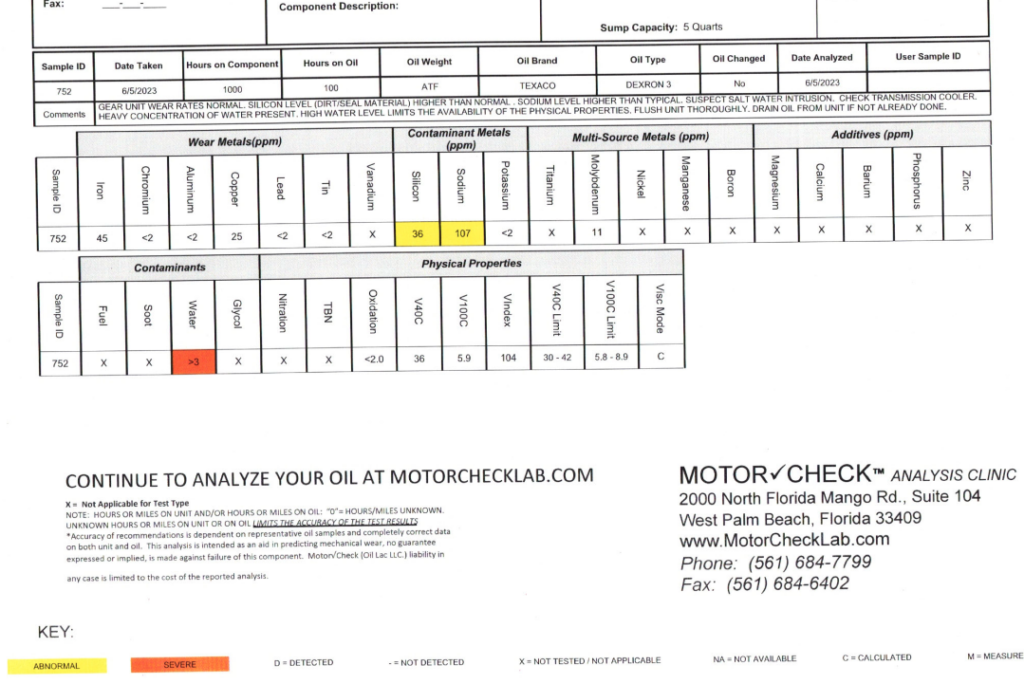
Results came back with:
- High water content (expected)
- Elevated sodium and silicon
- Some wear metals, but nothing wild
Then, after reinstalling the damaged set up on the port side, we checked the flange measurements—within spec. Same on the right side. Theory 2 is disproved with Nordic Marine and Oceanvolt concurring that the hull fiberglass design is well within limits.
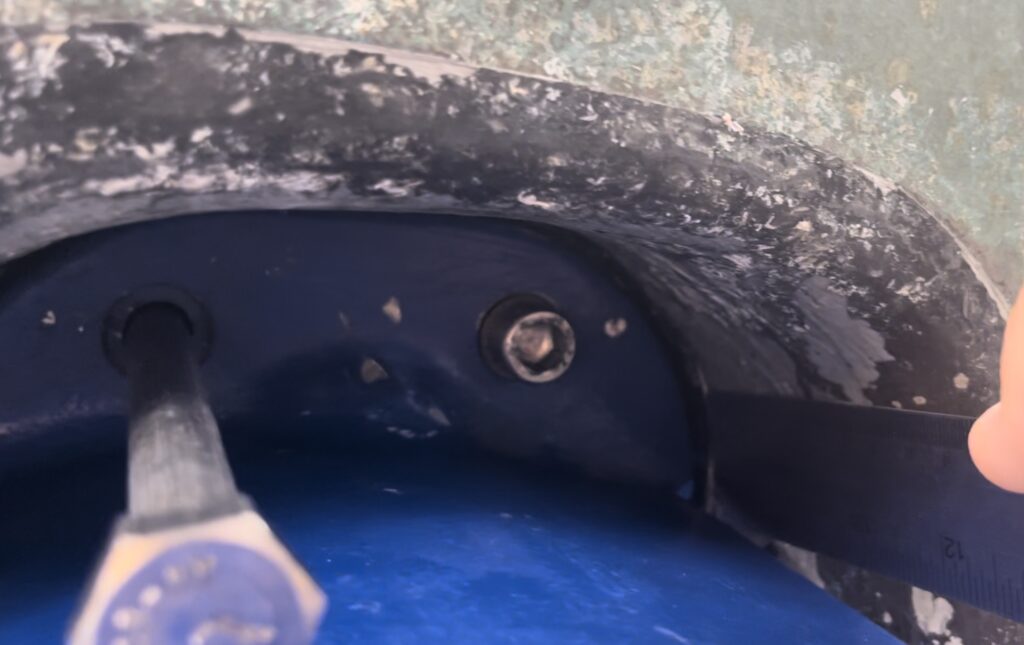
So at this point, we’ve got a single theory, but no smoking gun. We will have to send the damaged system back to Finland for their analysis. Though they don’t currently seem interested in receiving it back.
So, Where We’re At Now
We’re past the original timeline. Our original splash date has come and gone.
July 1 North of Hatteras? Not happening.
Costs? Climbing.
Patience? Being tested daily.
But—we have a new motor and saildrive sitting in a box in Miami, a direction, and a much clearer understanding of how this system can fail.
Apparently, we’re just getting started. Remember that “damaged lid” note on the delivery tracker? Time to open the box…
Stay Tuned!
Discover more from Water Wings Sailing
Subscribe to get the latest posts sent to your email.